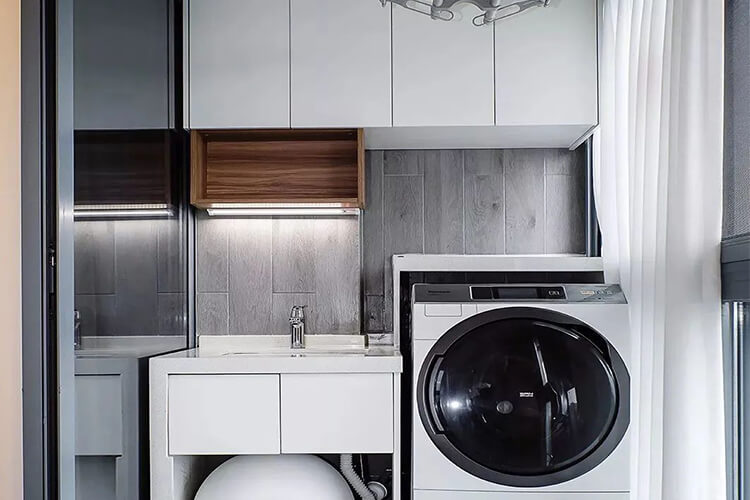
Understanding Storage Spaces for a Tidy Home
Categorizing storage spaces is the first step to a well-organized home. Different areas require different storage solutions.
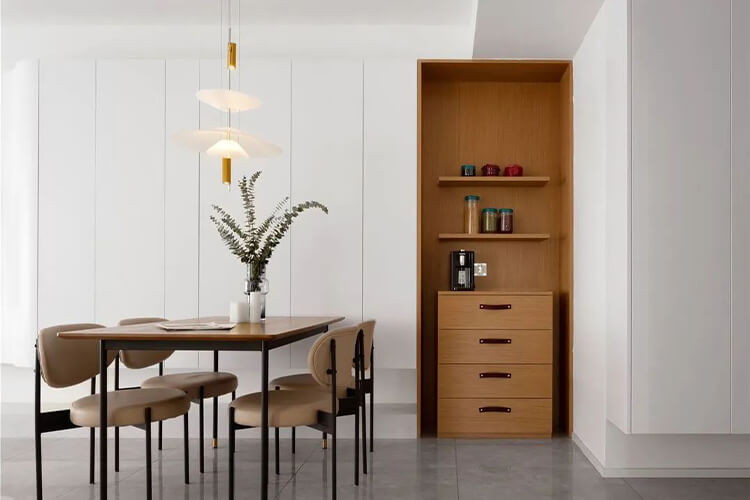
- Centralized Storage Space: Ideal for frequently used items in a specific area (e.g., kitchen essentials, bedroom clothes). Maximizes efficiency and easy access.
- Dispersed Storage Space: Best for small, frequently used items that need to be readily accessible and put away quickly (e.g., everyday toiletries, desk supplies). Minimizes clutter.
- Temporary Storage Space: For short-term storage needs. Convenience is key; capacity is secondary (e.g., a basket for mail, a temporary storage bin for seasonal items).
Key Principles of Effective Home Organization
Effective organization relies on several core principles.
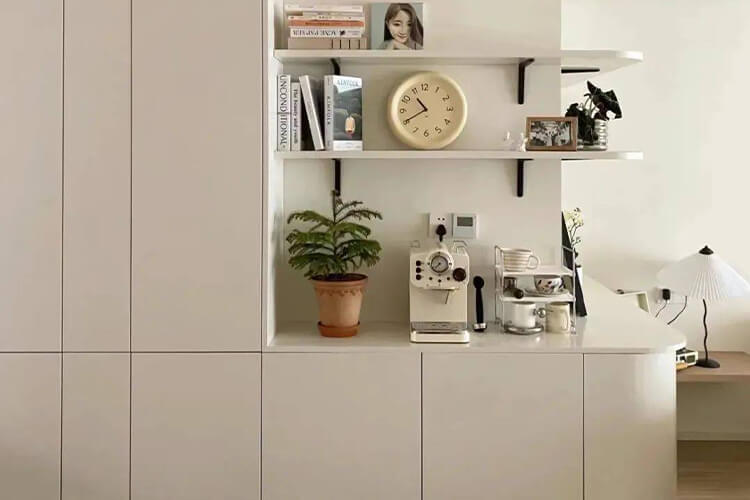
Storage Space Ratio: Finding the Sweet Spot
The ideal storage space should occupy approximately 12% of your home’s total floor area. Adjust this to 10% for minimal needs or 15% for larger families or those who prefer extensive storage. This ensures sufficient space without feeling overwhelmed.
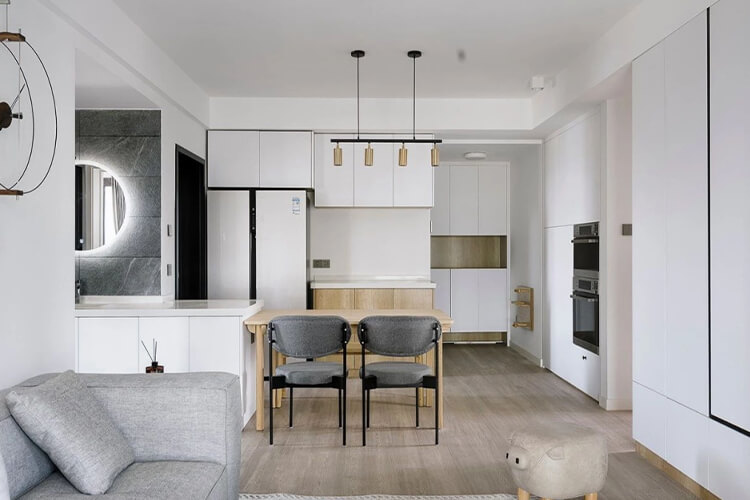
Proximity Principle: Storage Where You Need It
Don’t rely on a single storage room. Place storage solutions near where items are used. This maximizes convenience and minimizes clutter. Think strategically about each room’s unique storage requirements.
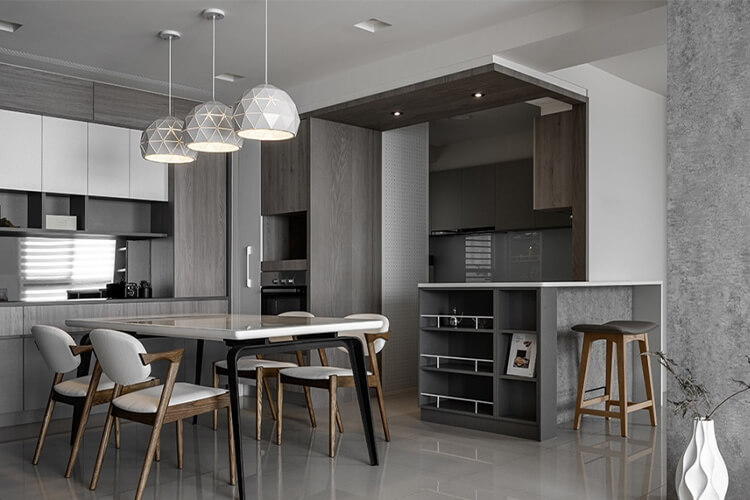
Integrated Vertical Storage: Maximizing Space
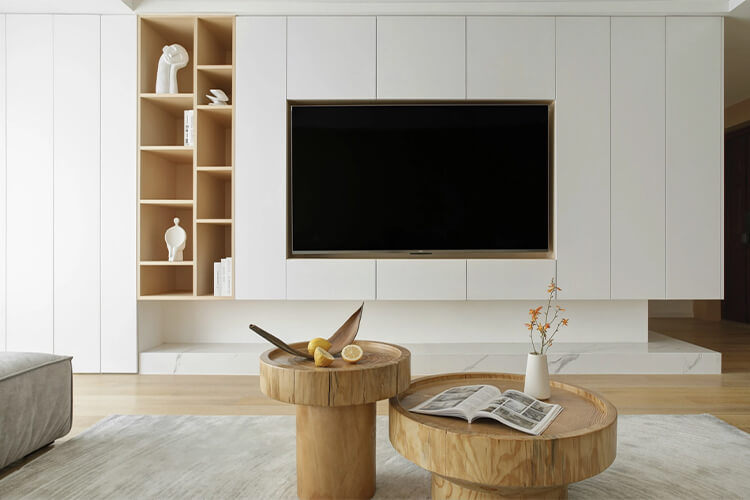
Utilize vertical space to the fullest. Floor-to-ceiling cabinets maximize storage capacity without taking up valuable floor space. Consider full-wall storage systems for a truly efficient solution.
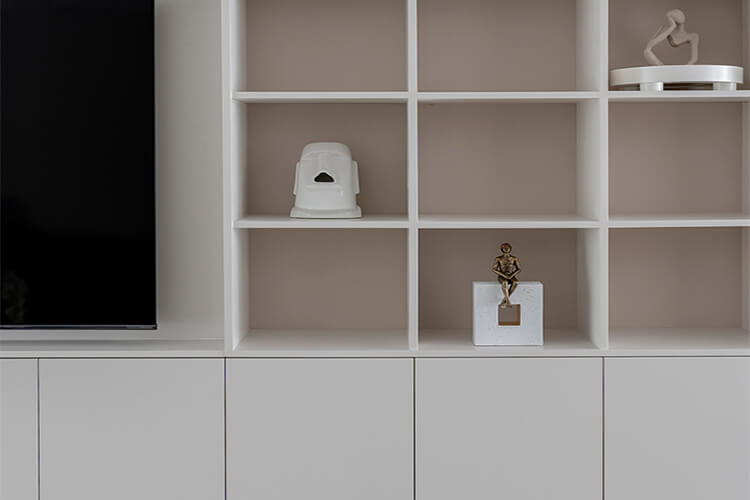
To prevent a cluttered feel with extensive cabinetry:
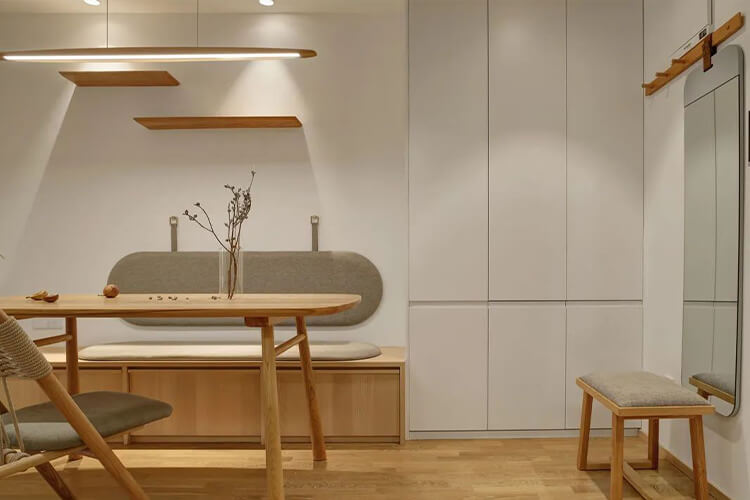
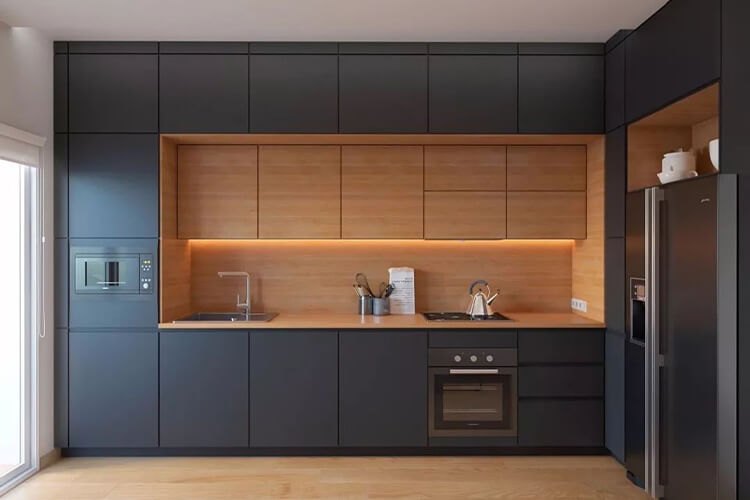
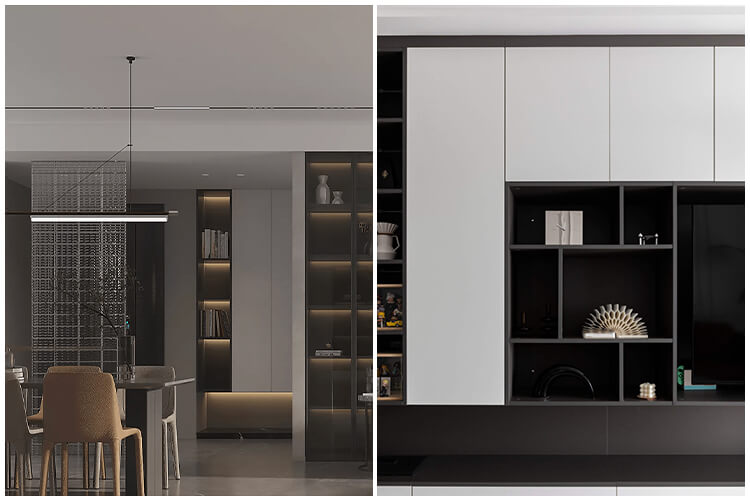
- Embedded Design: Recessed cabinets blend seamlessly into the wall.
- Sleek Light Colors: Light colors create a sense of spaciousness.
- Invisible Handles: Handle-less cabinets maintain a clean, uncluttered look.
- 80/20 Organization Design: Showcase 20% of your favorite items and neatly store the remaining 80%. A combination of open and closed storage prevents the space from feeling too closed in.
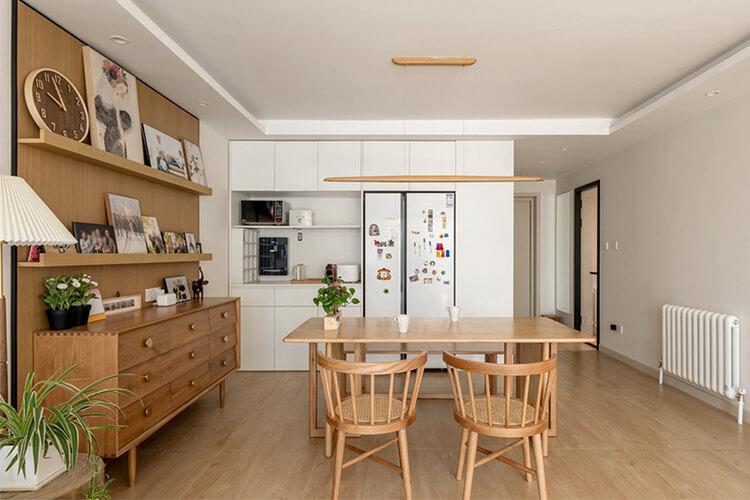
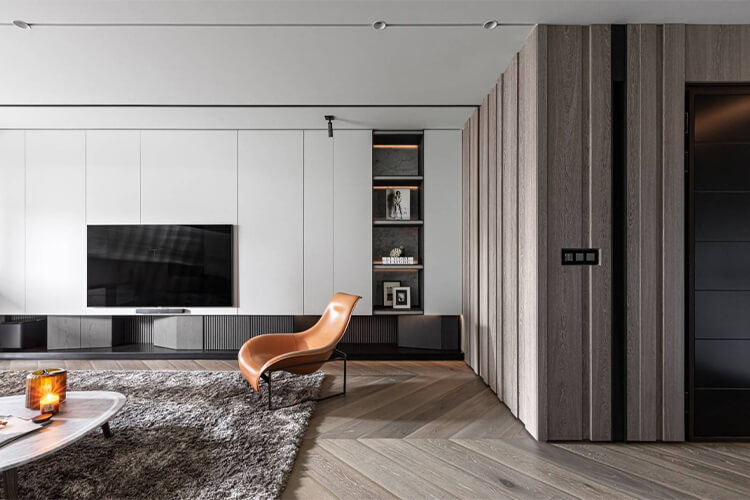
Choosing the Right Cabinets for Each Area
Different areas of your home require different storage solutions.
Centralized Storage Area: Embedded Cabinets
Bedrooms, studies, and kitchens benefit from built-in cabinets designed to maximize storage without overwhelming the space. This ensures a cohesive and efficient storage solution.
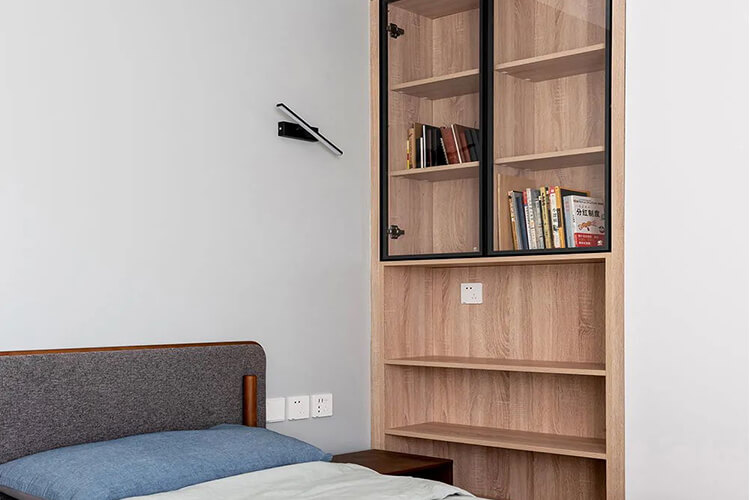
Scattered Storage Area: Floating Cabinets
Bathrooms and dining areas need smaller, versatile storage for frequently used items. Floating cabinets are lightweight and space-saving.
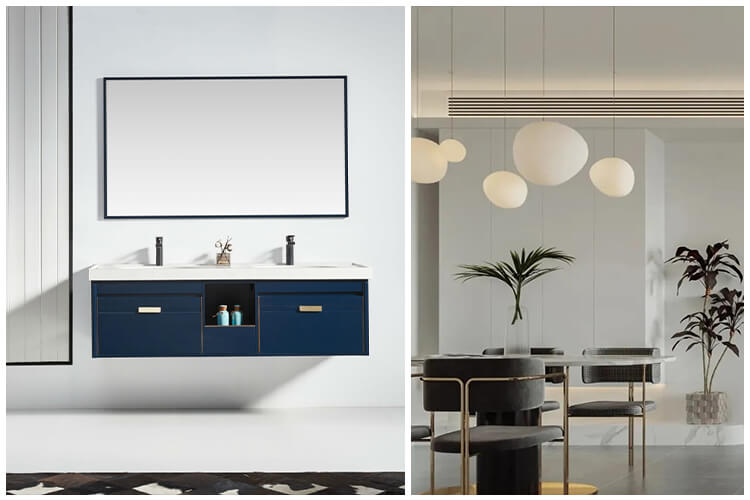
Comprehensive Storage Area: Diverse Cabinets
Entryways and balconies require versatile storage for a variety of items. Consider cabinets that can accommodate shoes, coats, bags, and other miscellaneous items.