

Three Key Principles for Optimized Custom Cabinet Design
Custom cabinets are essential for modern home storage, enhancing both functionality and aesthetics. However, poorly designed cabinetry can lead to clutter and frustration. These three principles ensure your custom cabinets are both beautiful and practical:
1. Prioritize Proximity for Everyday Convenience
Practicality is paramount in cabinet design. Items should be easily accessible based on their frequency of use.
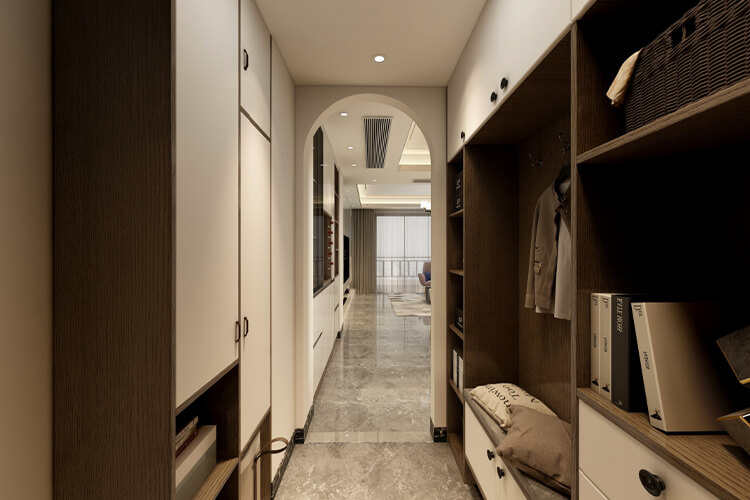
Consider these examples:
- Entryway: Place a cabinet near the entrance for keys, coats, and frequently used items. Include hooks and open compartments for immediate access.
- Dining Area: A dining cabinet, even a small one, keeps napkins, serving utensils, and other items organized and within easy reach of the dining table. Aim for an arm’s length distance for optimal convenience.

- Bathroom: A mirror cabinet provides ample storage for toiletries, minimizing clutter and maximizing efficiency.
- Laundry Area: Utilize space above the washing machine for storage cabinets to hold detergents, cleaning supplies, and other laundry essentials.
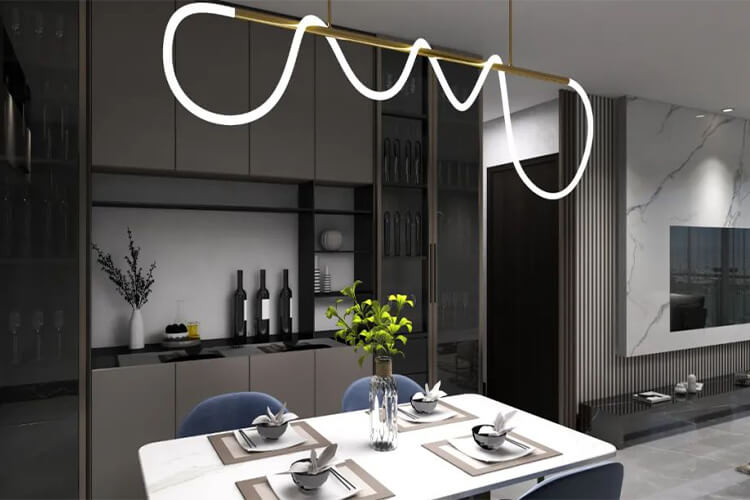
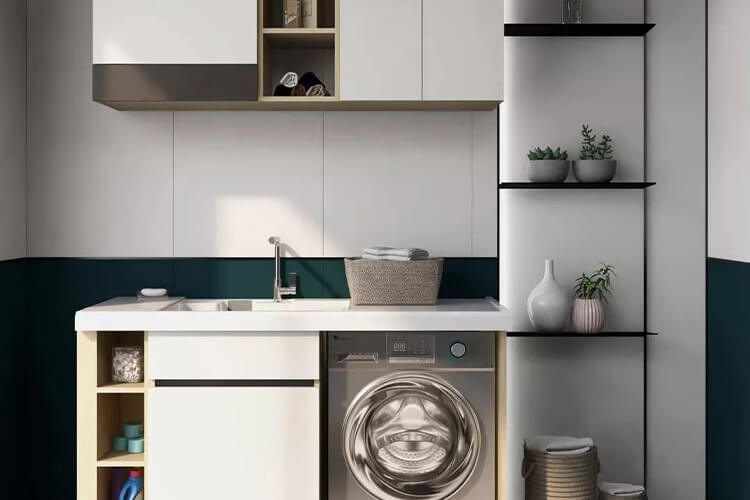
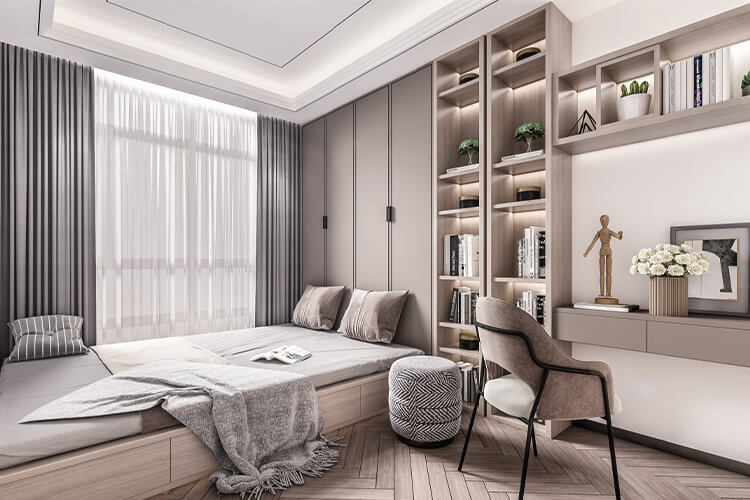
2. Employ the 80/20 Rule for Visual Harmony and Accessibility
The 80/20 rule suggests hiding 80% of items while keeping 20% visible. This balances visual tidiness with easy access to frequently used items. Hiding the majority minimizes clutter and simplifies cleaning, while readily accessible items ensure smooth daily routines.
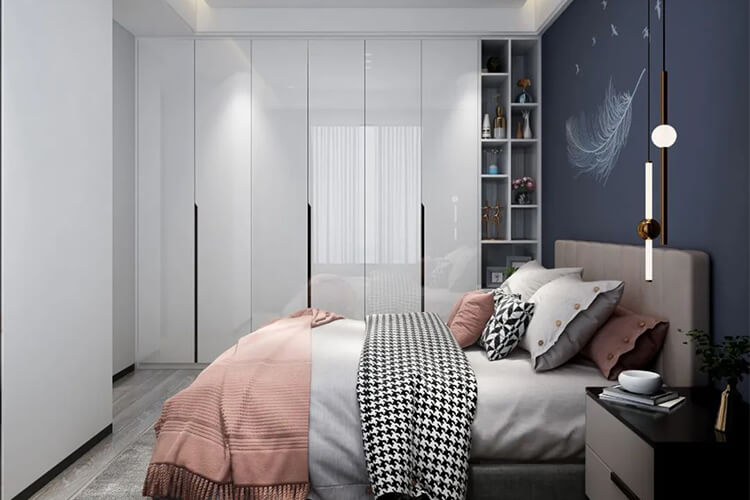
This approach creates visual layers, especially beneficial in larger cabinets or for families with extensive storage needs.
3. Maximize Space Through Smart Design and Optimization
Clever cabinet design can actually save space.
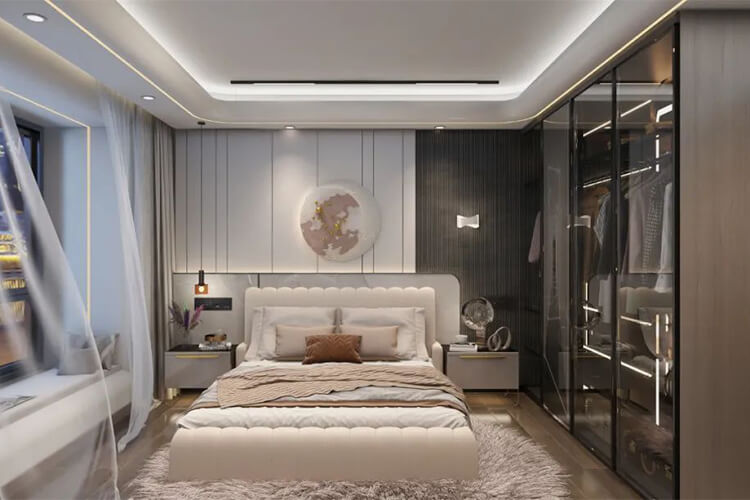
Consider these options:
- Glass-fronted cabinets: Showcase some items while keeping others dust-free. This offers a balance between open and closed storage.
- Built-in wall cabinets: Ideal for small spaces, these cabinets offer a clean, integrated look. However, professional design is crucial to avoid structural damage.
- Combined Functionality: Integrate cabinets across multiple areas (e.g., combining an entryway cabinet with a dining room sideboard) to optimize space utilization.
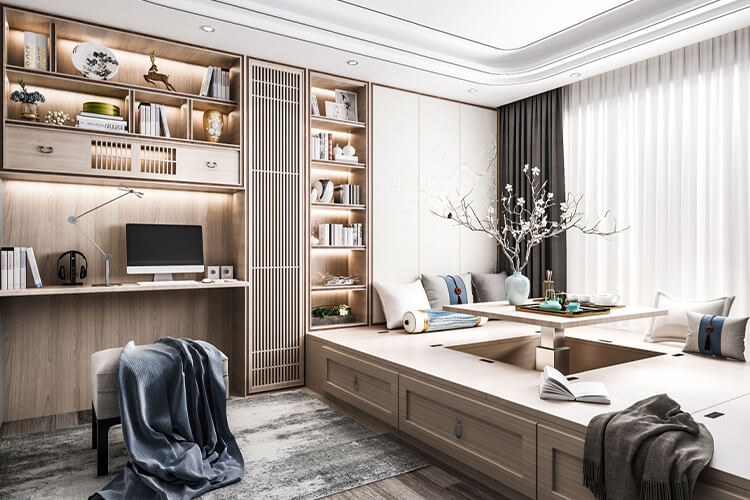
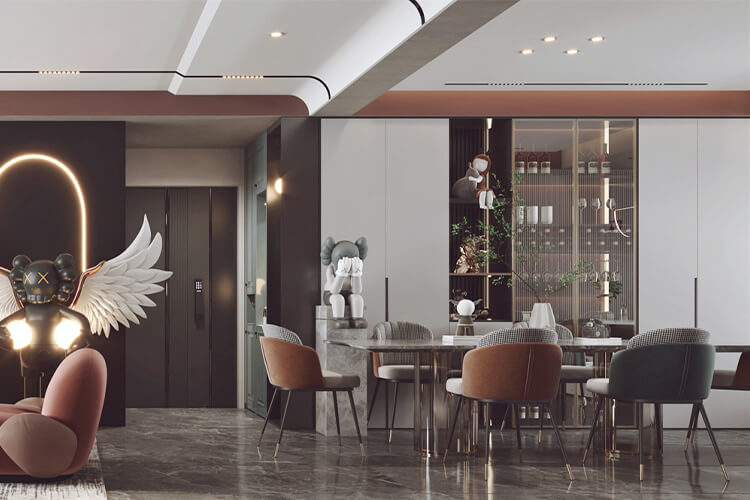
By adhering to these three principles – proximity, the 80/20 rule, and space optimization – you can create custom cabinets that are both aesthetically pleasing and highly functional, transforming your home into a well-organized and efficient space.


