Streamlining Style and Space: The Advantages of Integrated Doors, Walls, and Cabinets
Aesthetic Advantages of Integrated Design
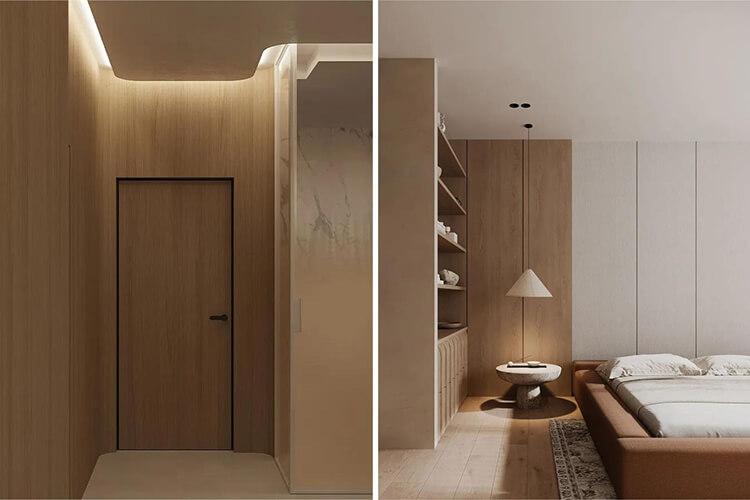
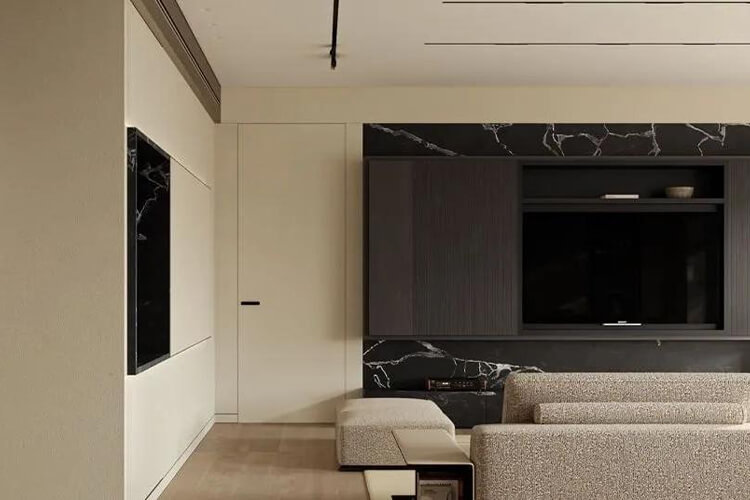
The integration of doors, walls, and cabinets offers a cohesive and stylish approach to interior design. Unlike the disparate elements of traditional design, this unified approach allows for seamless integration of shapes, colors, textures, materials, and lighting. This creates a harmonious atmosphere and a unified visual framework, enhancing the overall aesthetic appeal.
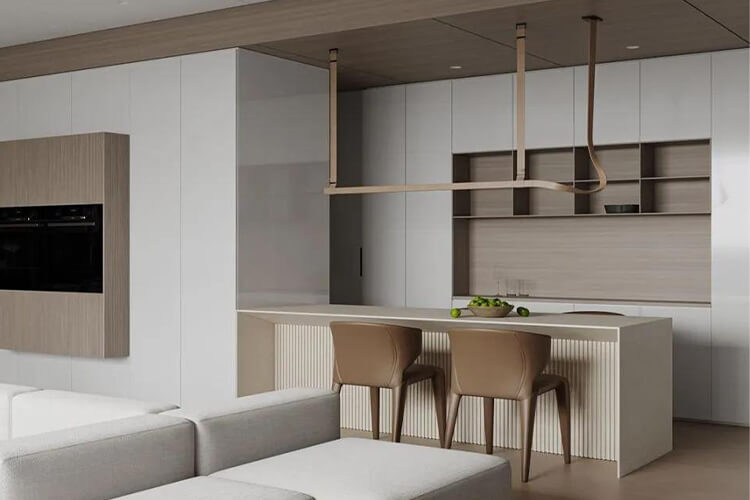
The use of diverse materials and design techniques adds depth and sophistication, preventing monotony. Well-proportioned lines and facades blend seamlessly with spatial layers, creating a balanced and playful ambiance. This integrated design effectively fills wall voids, adding rhythm and layered beauty to the home. By extending sightlines, it visually broadens the living space, particularly when wall panels and cabinets extend to the ceiling, maximizing vertical space.
Functional Advantages: Maximizing Space and Personalization
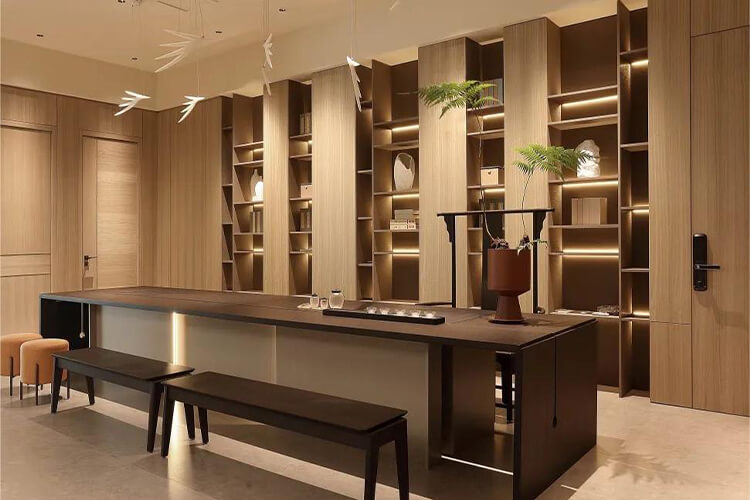
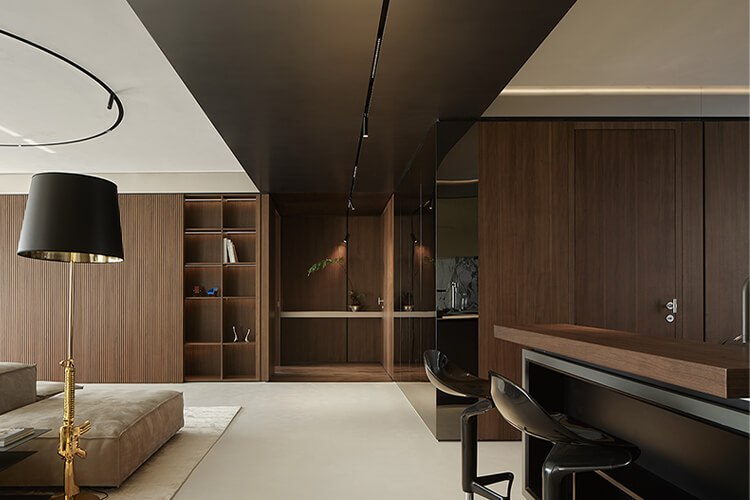
Integrated doors, walls, and cabinets maximize wall space, creating ample storage solutions. This approach fully addresses personalized needs by utilizing every inch of space, including those awkward or irregular areas.
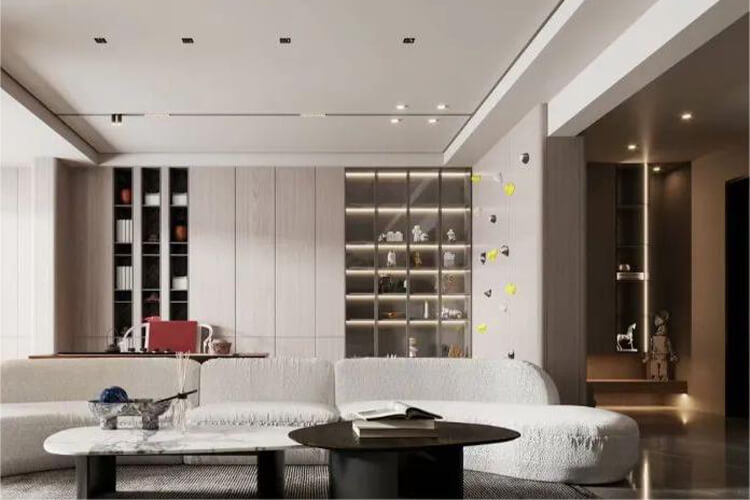
Customization allows for integration of functionality based on individual habits and preferences. This ensures maximum satisfaction with both aesthetic appeal and practical usage. The flexibility of materials and sizes means the design adapts to any apartment layout, catering to diverse family lifestyles and opening up new possibilities for space utilization. Furthermore, this integrated approach can often improve upon existing architectural flaws, optimizing functional flow and zoning for a more efficient and aesthetically pleasing home.
Efficiency Advantages: Streamlined Design and Installation
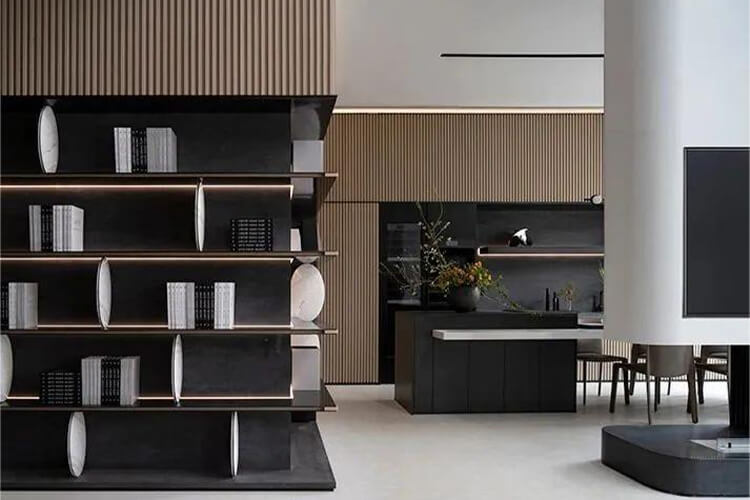
Traditional full-house customization involves separate purchasing and installation of doors, wall panels, and cabinets, a process often fraught with challenges regarding size, color matching, and communication.
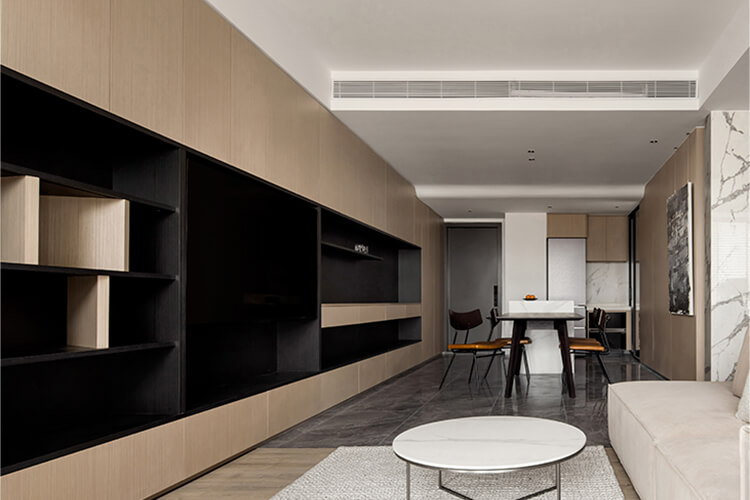
The integrated design approach simplifies this process significantly. A one-stop solution streamlines communication and coordination, improving both design and service efficiency. Dealing with a single vendor eliminates the complexities of coordinating various elements and reduces the risk of errors and omissions, resulting in a more efficient and stress-free experience.