Interior Wall Paneling: A Comprehensive Guide
What is Interior Wall Paneling?
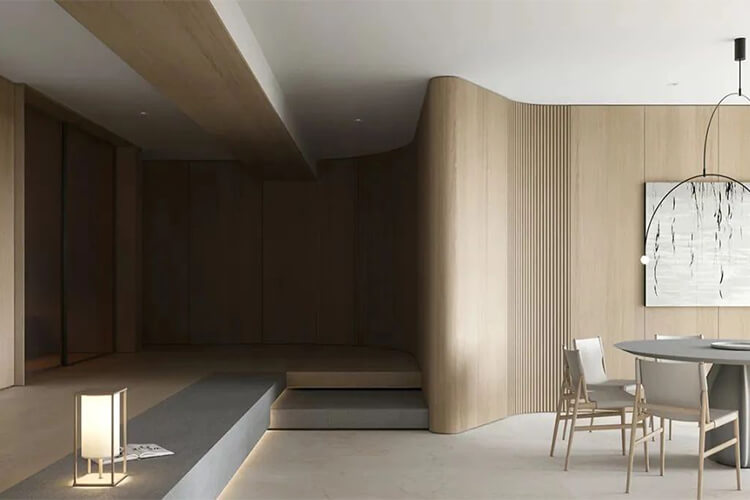
Wall paneling, also known as wainscoting or wall cladding, offers both protection and aesthetic enhancement for interior walls. It transforms spaces by adding charm and character. This guide provides a beginner-friendly overview of wall paneling, from material choices to installation techniques.
Benefits of Wall Paneling
- Aesthetic Appeal: Wall paneling offers diverse patterns and installation styles, resulting in highly decorative and visually appealing walls.
- Unified Style: It creates a cohesive look across different spaces, improving overall design consistency.
- Ease of Maintenance: Compared to wallpaper, tiles, or paint, wall panels are easier to clean and maintain.
- Added Functionality: Beyond aesthetics, wall panels offer sound absorption, noise reduction, wear resistance, pest prevention, and thermal insulation.
Types of Wall Paneling Materials
- Solid Wood Panels: Durable, eco-friendly, and showcasing natural textures, solid wood panels provide superior aesthetics but are expensive and less common.
- Engineered Panels: These include plywood, particleboard, MDF, and chipboard, each offering varying properties and price points. Plywood and particleboard are frequently used.
- Stone-Plastic Panels: Made from stone powder, calcium powder, and PVC, these panels are dense, heavy, and less environmentally friendly but are relatively inexpensive.
- Bamboo-Wood Fiber Panels: A lightweight, budget-friendly option mimicking solid wood texture, composed of foamed PVC, calcium carbonate, bamboo, and wood powder.
Popular Wall Paneling Designs
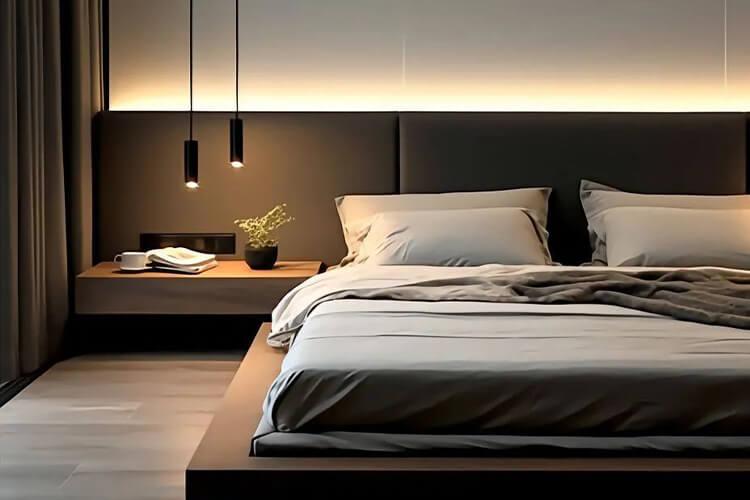
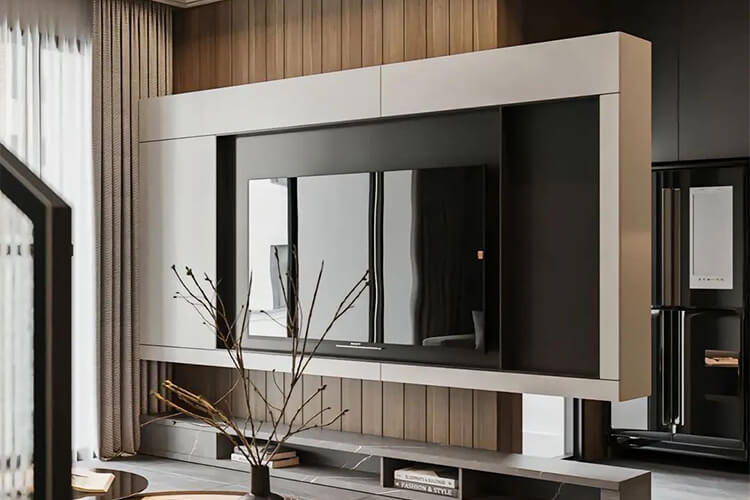
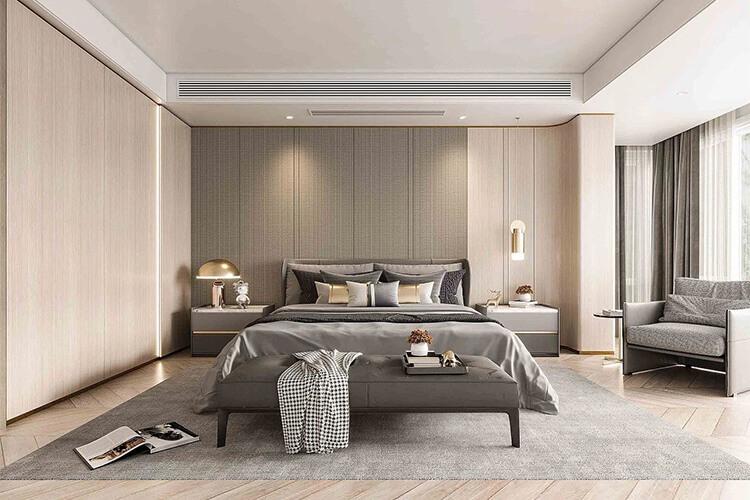
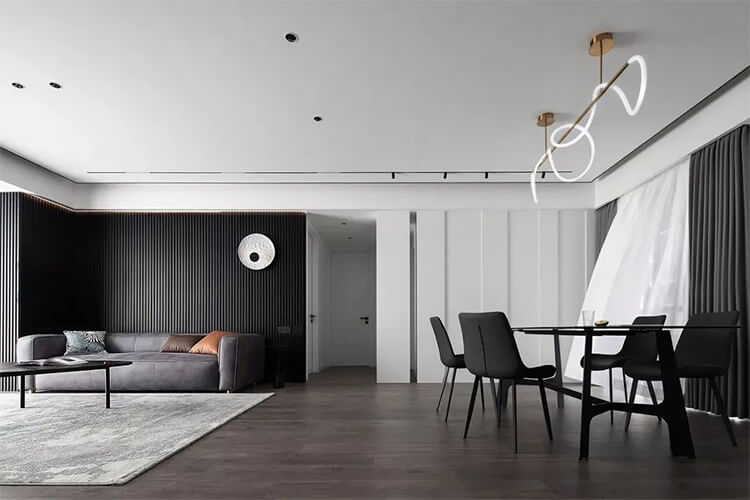
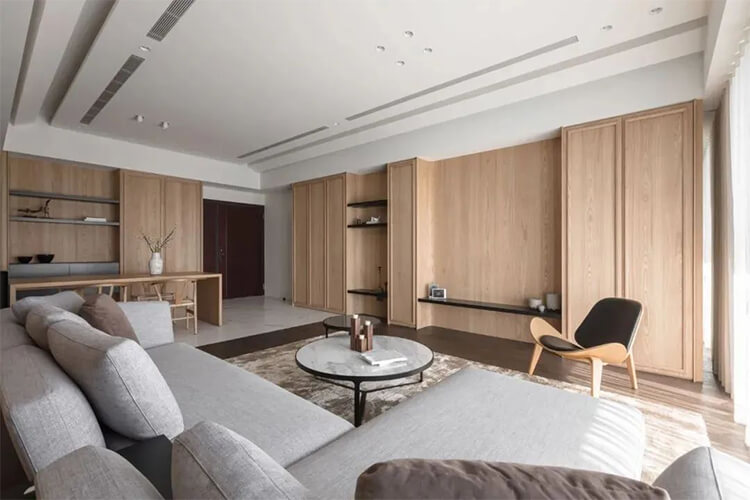
- Full-Wall Coverage: Ideal for large spaces like living rooms and bedrooms, this design covers entire walls, perfect for feature walls, TV walls, or headboard walls.
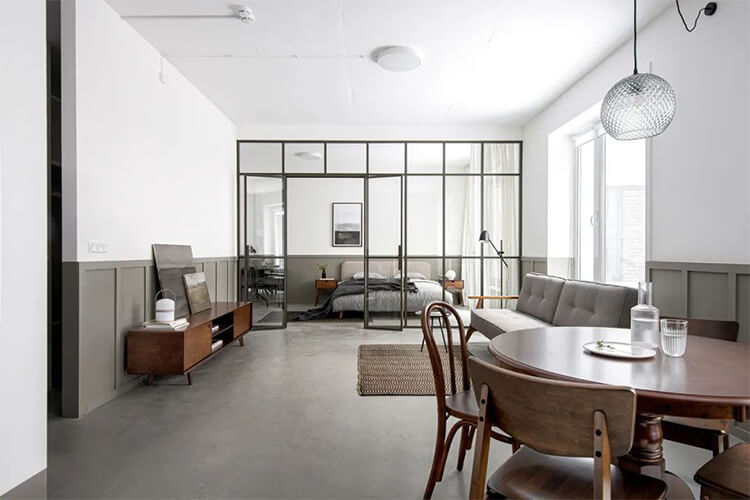
- Wainscoting (Half-Wall Paneling): This covers the lower portion of the wall, often with decorative trim or molding, adding visual interest.
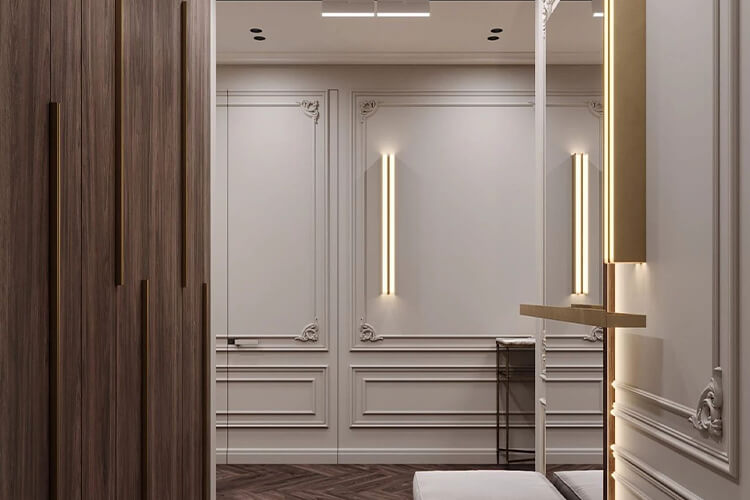
- Framed Designs: This design features framed panels, often incorporating relief designs, creating a sophisticated, European-style look.
Creative Applications of Wall Paneling
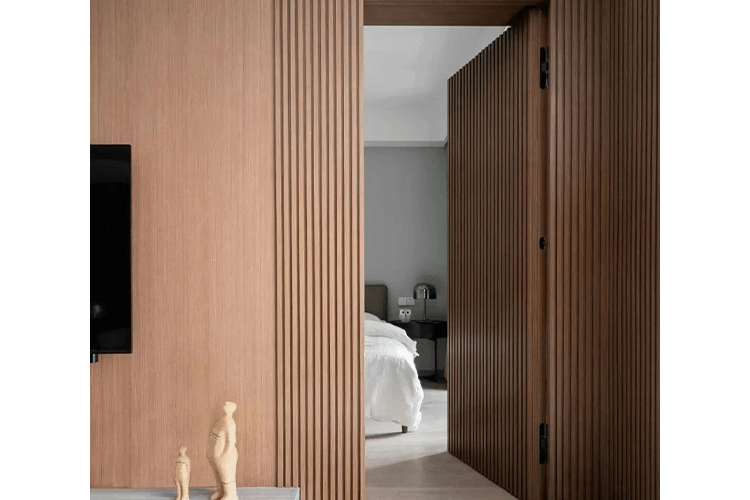
- Integrated Hidden Doors: Seamlessly concealing doors for a minimalist, clean look.
- Combined with Custom Cabinets: Matching cabinet finishes with wall panels or using the same material for a unified design.
- Integrated with Ceilings: Extending panels to the ceiling for a cohesive, unified space.
Wall Panel Assembly Methods
- Seamless Joint: Panels are installed with nearly invisible seams, creating a continuous surface, best for larger spaces. Avoid dense patterns to prevent a cramped look.
- Gap Joint: A 2-3mm gap is left between panels, adding structure and emphasizing symmetry.
- Mixed Assembly: Combining wall panels with other materials like metal, marble, paint, wallpaper, or lighting for layered visual interest.