

Handleless Cabinets: A Stylish and Safe Choice?
Handleless cabinets have emerged as a popular alternative to traditional cabinets with handles, offering a sleek aesthetic and enhanced safety, especially in homes with children. Let’s delve into the pros and cons to help you decide if this design is right for your kitchen or home.
Handleless vs. Handled Cabinets: Key Considerations
The decision to opt for handleless cabinets involves several factors beyond mere aesthetics. These include:
Style Coordination: Handle styles significantly impact overall design. Metallic handles suit luxurious interiors, while brass complements European or American styles. Handleless designs are ideal for minimalist and modern aesthetics.
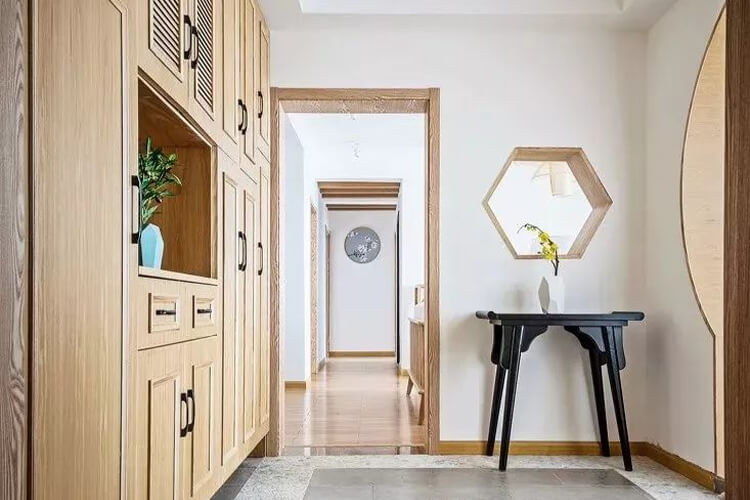
Space Utilization: In smaller spaces, handleless cabinets save valuable space, minimizing the visual bulk often associated with traditional handles.
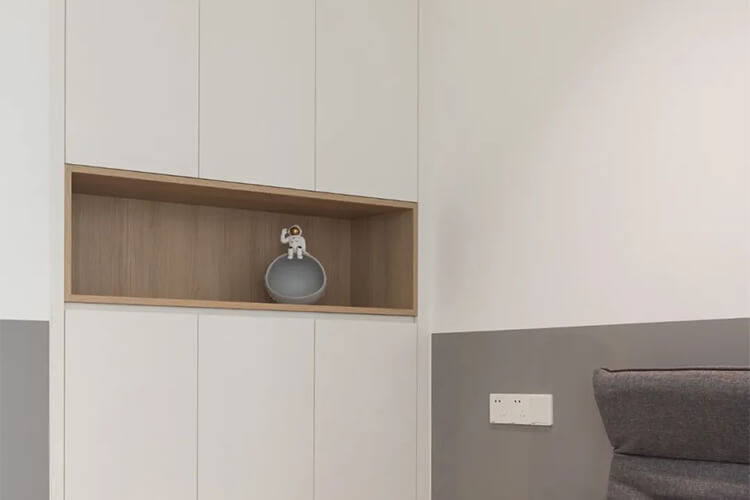
Cabinet Door Materials: Certain materials, like glass or mirrors, may not accommodate traditional handles. Handleless designs or hidden handles are necessary for seamless integration.
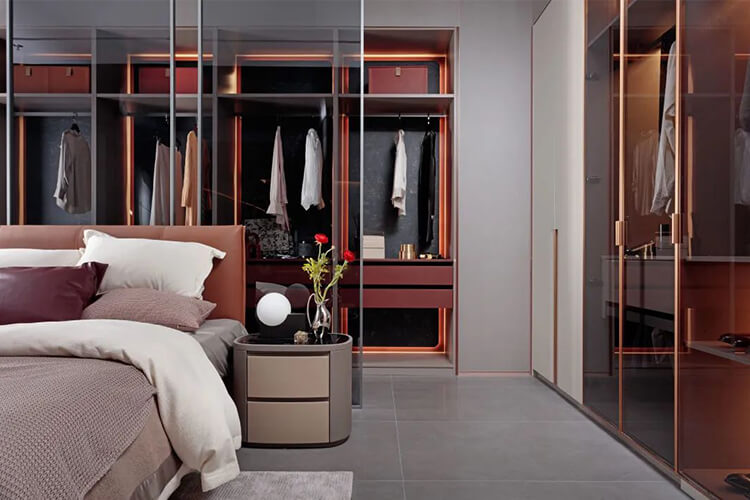
Advantages and Disadvantages of Handleless Cabinet Designs
While the sleek look of handleless cabinets is appealing, it’s crucial to weigh the pros and cons:
Pros:
- Elegant Appearance: Handleless designs create a clean, modern aesthetic, seamlessly blending with the surrounding walls, especially beneficial for built-in units.
- Easy Maintenance: The smooth, handle-free surface simplifies cleaning – a quick wipe is all it takes.
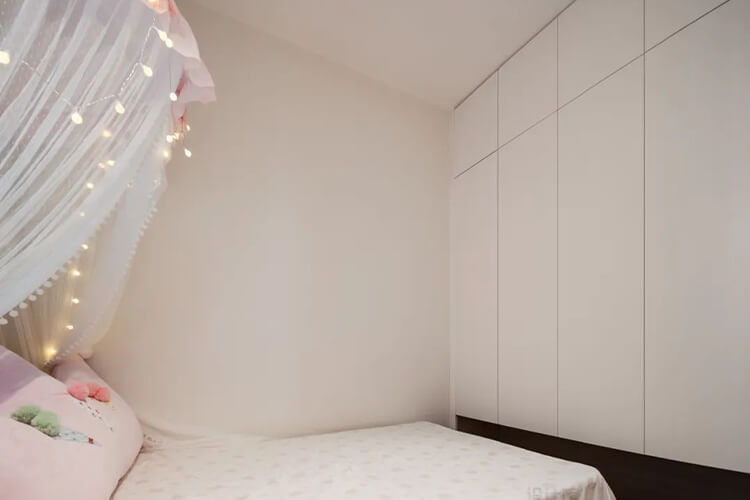
- Reduced Bump Risk: The absence of protruding handles minimizes the risk of accidental bumps and injuries, particularly important in households with children.
Cons:
- Less Convenient Opening: Opening handleless cabinets requires precise pressure application, initially less intuitive than traditional handles. However, this becomes less noticeable with time.
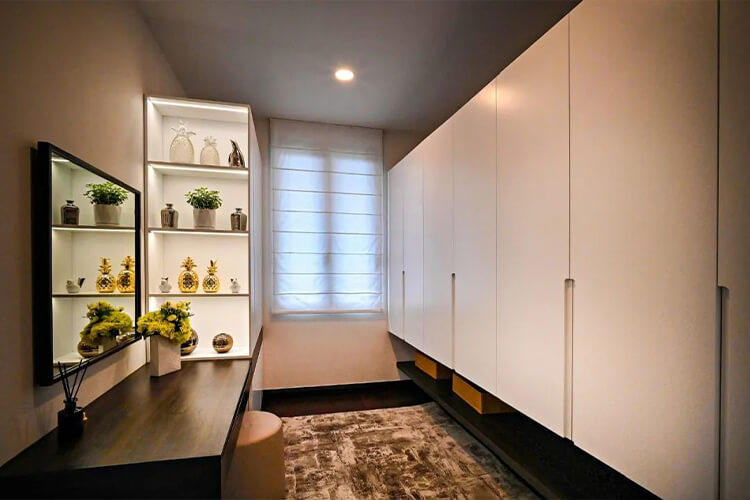
Handleless Cabinet Design Options
Several design solutions offer a balance between aesthetics and functionality:
- Grooved Cabinet Doors: A groove allows fingertip access for opening. Not suitable for all materials (e.g., particleboard).
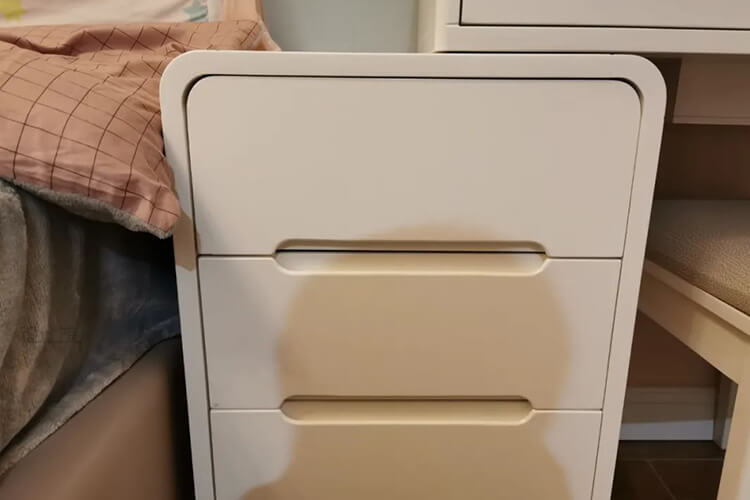
- Side-Opening Doors: Doors mounted outside the cabinet frame are opened by hand pressure on the sides. Ideal for low or wall-mounted cabinets.
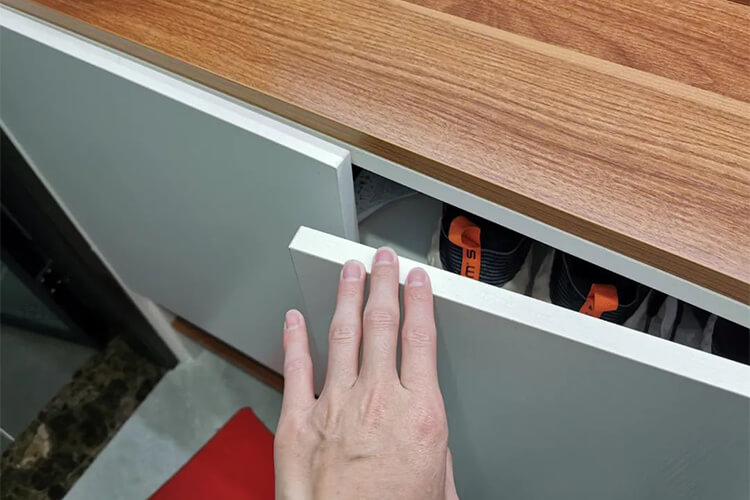
- Extended Door Panels: An extended panel acts as a handle, convenient for wall-mounted cabinets or drawers. Less suitable for floor cabinets due to safety concerns.

- Recessed Grooves on Door Panels: Grooves between panels allow finger access for opening.
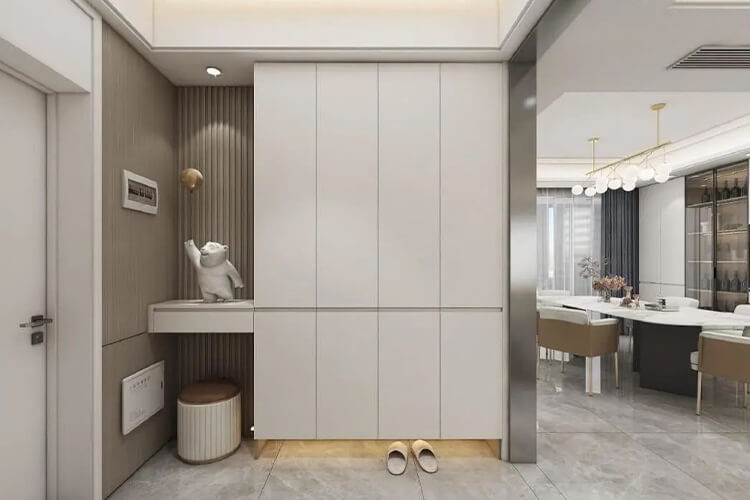
- Hidden Handles: Internally mounted handles combine aesthetic appeal with usability.
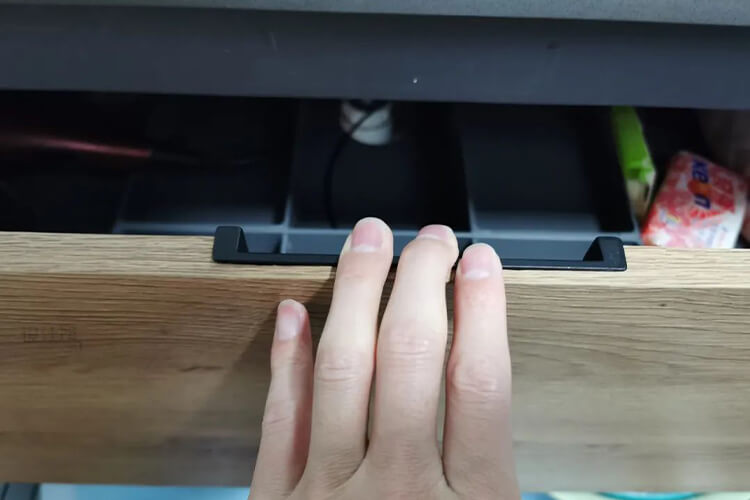
- Angled Cabinet Doors: An angled cut on the door serves as a handle. May compromise aesthetics and symmetry.
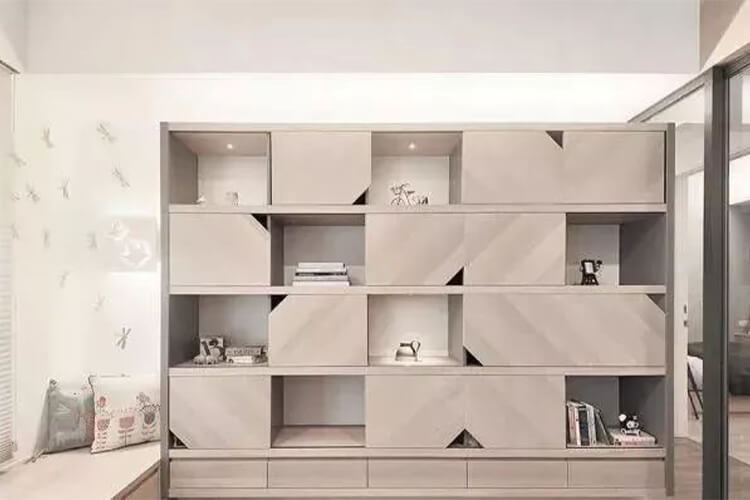
- Bouncers: A push-to-open mechanism, offering a handleless alternative. Quality is crucial for longevity.
Cost Considerations for Handleless Cabinets
The cost varies depending on the chosen design. Grooved doors are generally more expensive than standard cabinets. Other handleless options often incur no additional cost with experienced manufacturers.
Conclusion
Ultimately, the choice between handleless and handled cabinets depends on individual preferences and home circumstances. Carefully consider the pros, cons, and design options to create a space that is both stylish and functional.


