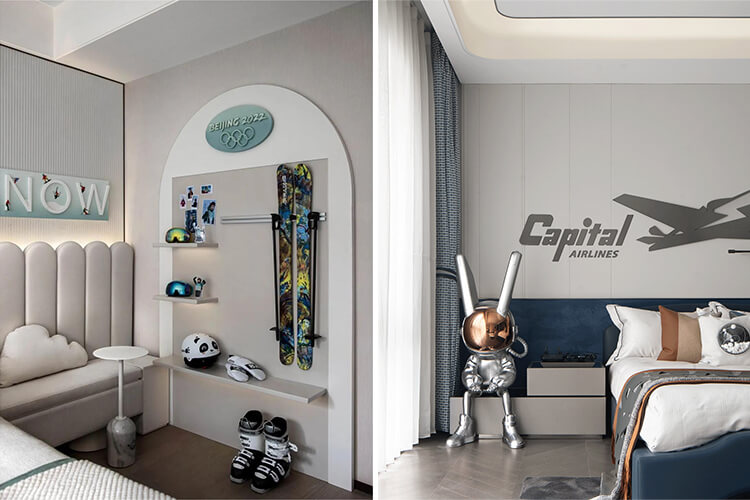
Designing a Child’s Room: Nurturing Aesthetic Awareness
Color Palette: A Balanced Approach
Color plays a crucial role in a child’s room. Avoid overwhelming bright colors; instead, opt for a muted palette with pops of vibrant hues. A balanced approach ensures a calming yet stimulating environment conducive to rest and play. 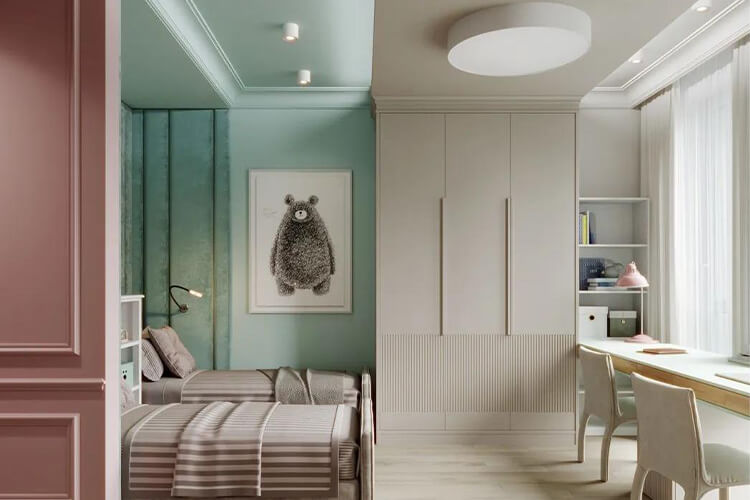
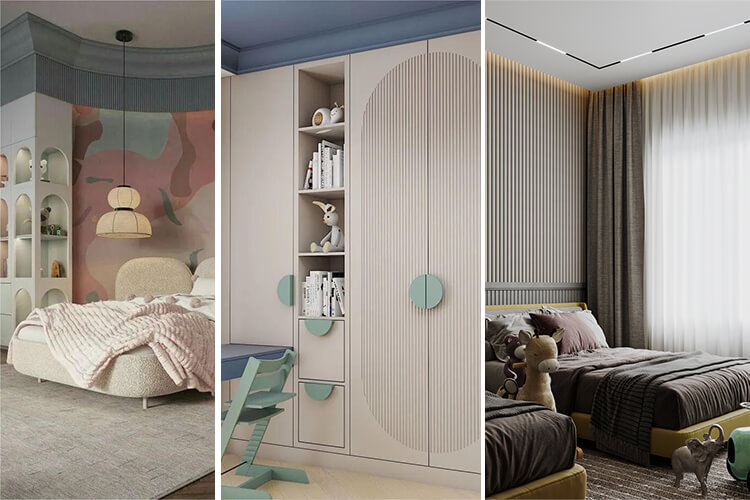
The Power of Curves
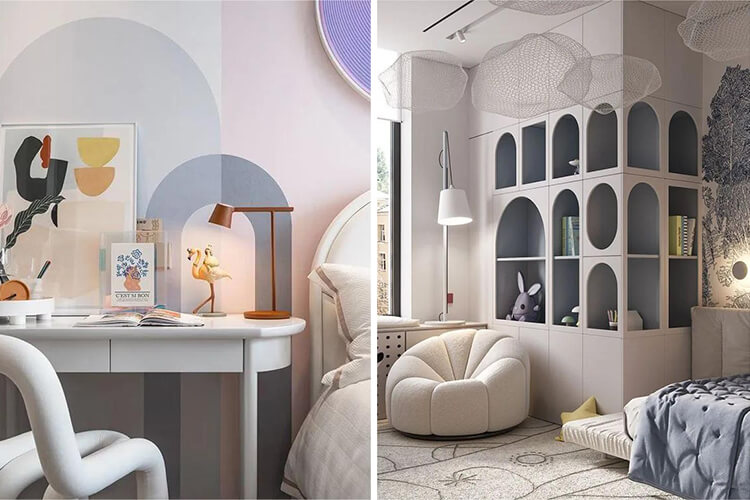
Rounded furniture and décor create a softer, safer, and more soothing atmosphere compared to sharp edges. Curved elements are not only on-trend but also contribute to a less aggressive environment. 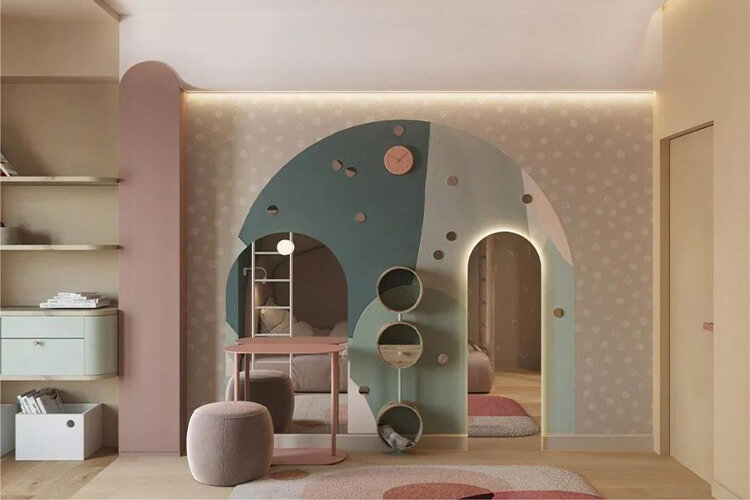
Maximizing Vertical Space
Utilize vertical space to create engaging play areas and maximize functionality. Consider built-in climbing walls, bunk beds with slides, or hanging nets for active children. This helps burn energy before bedtime. 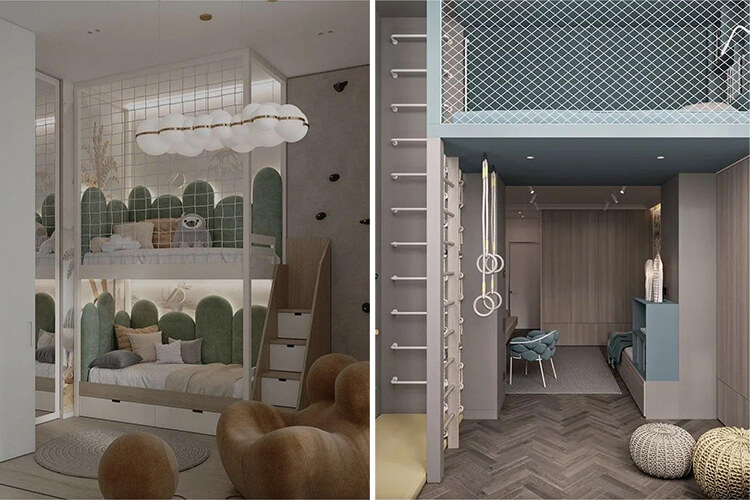
Animal-Themed Decor: Fostering Innocence
Incorporate animal motifs through wallpapers, artwork, stuffed animals, bedding, or curtains to create a playful and comforting space. This helps nurture a child’s sense of innocence and wonder. 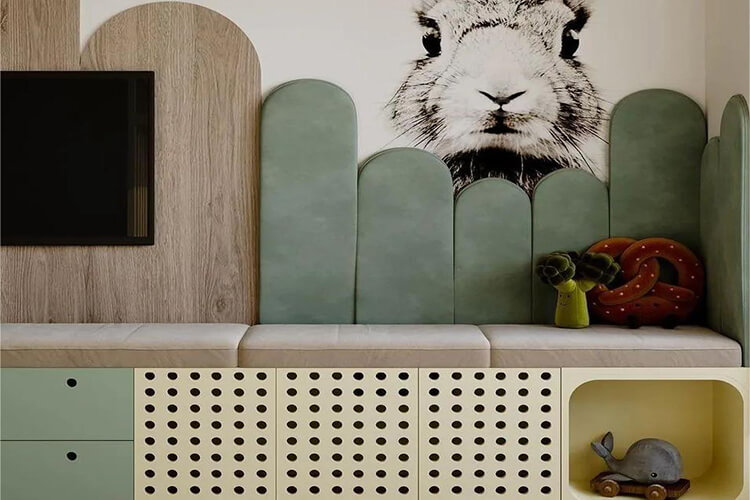
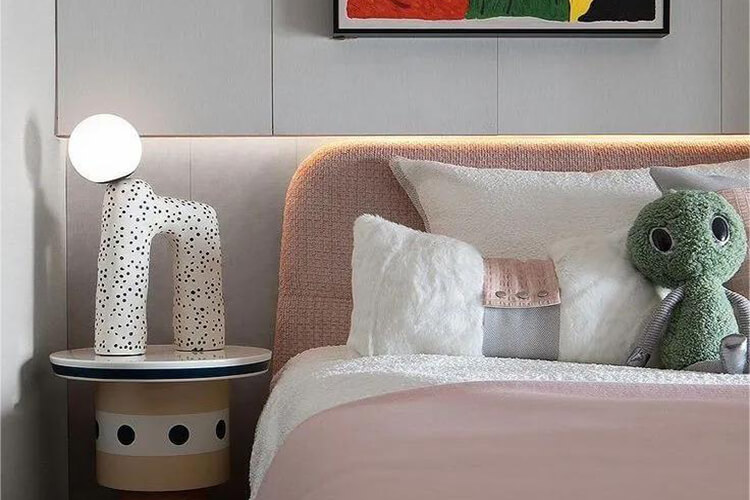
Dedicated Study Area: Promoting Focus
A designated study area is essential. Keep the design simple and uncluttered to avoid distractions and promote concentration. Avoid flashy designs; functionality is key. 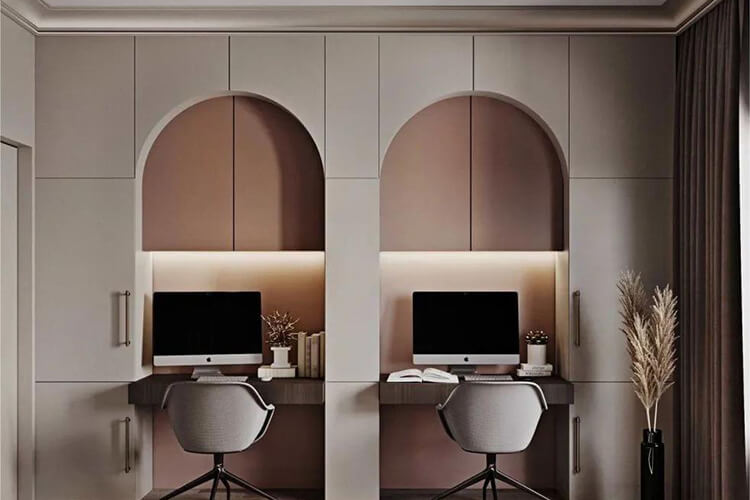
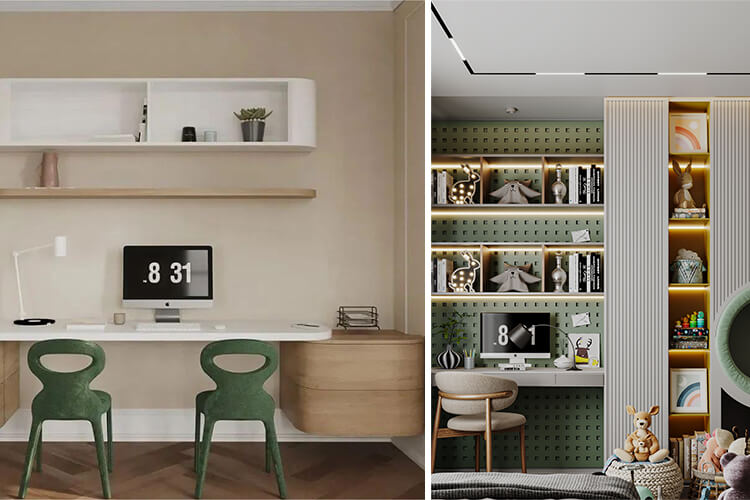
Geometric Patterns: Order and Vibrancy
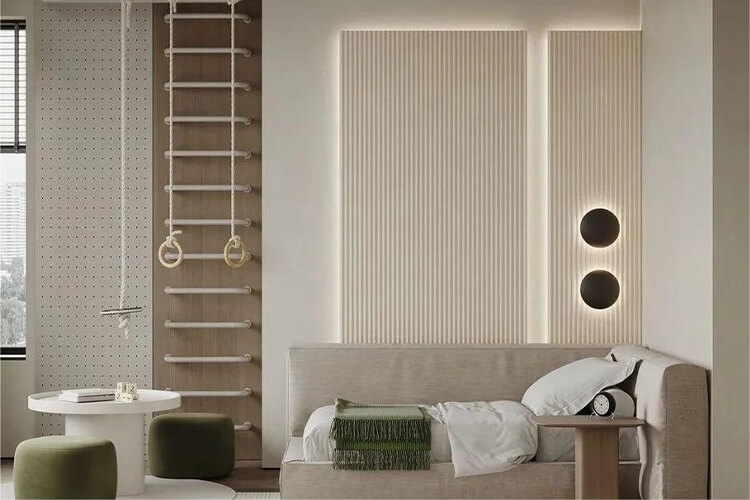
Geometric patterns like dots and stripes add both visual interest and a sense of order. Incorporate them into furniture, walls, carpets, or lighting fixtures for a stylish and playful touch. Pegboards are a functional and trendy option. 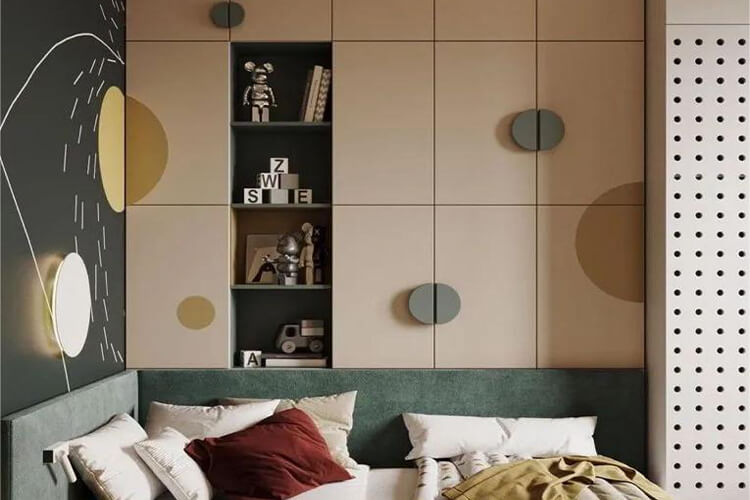
Ample Storage Solutions
Children accumulate many items. Plan for ample storage, particularly vertical storage, to keep the room organized and functional. This helps maintain a tidy space for play and relaxation. 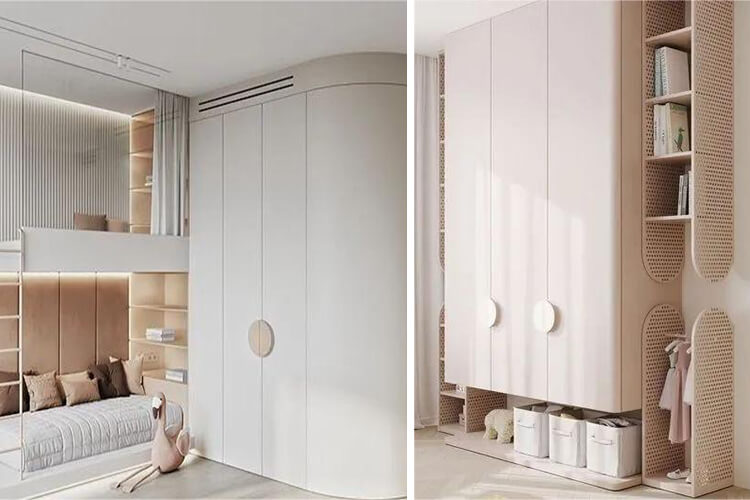
Showcasing Hobbies and Interests
Dedicate space to showcase a child’s hobbies and interests – be it music, sports, art, or any other passion. This personalizes the room and encourages self-expression.