Creative Invisible Door Ideas to Enhance Your Home Decor
Concealed doors are increasingly popular in modern home design, offering a sleek, organized aesthetic and a touch of intrigue. Whether used for discreet storage or a secret passage, invisible doors provide a unique solution for enhancing your home’s functionality and style. This guide explores various types and design ideas for integrating invisible doors into your space.
Types of Invisible Doors
Several types of invisible doors cater to different needs and spaces:
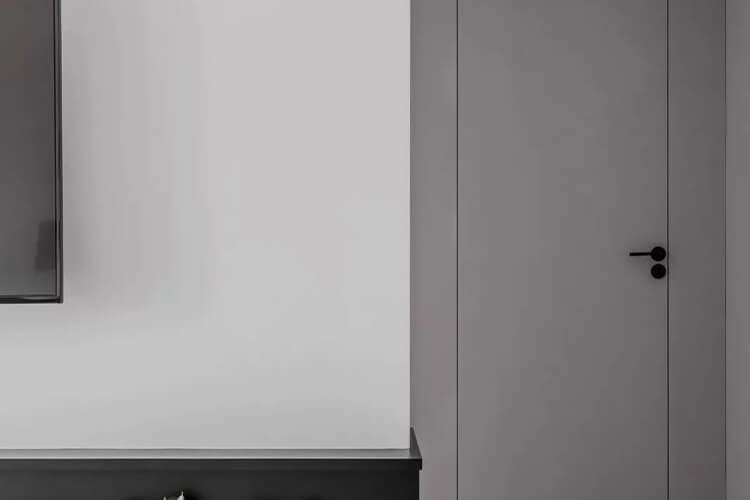
1. Hinged Invisible Doors
- Pros: Excellent security and privacy, minimal noise, durable, ideal for study rooms.
- Cons: Requires significant swing space, less space-efficient.
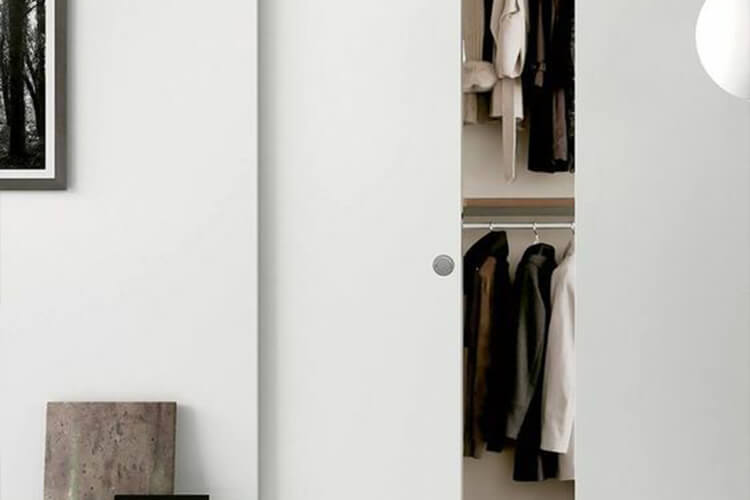
2. Sliding Invisible Doors
- Pros: Space-saving, aesthetically pleasing, suitable as room dividers (e.g., kitchen/living room).
- Cons: May compromise privacy and sound insulation, requires track maintenance, prone to wear and tear.
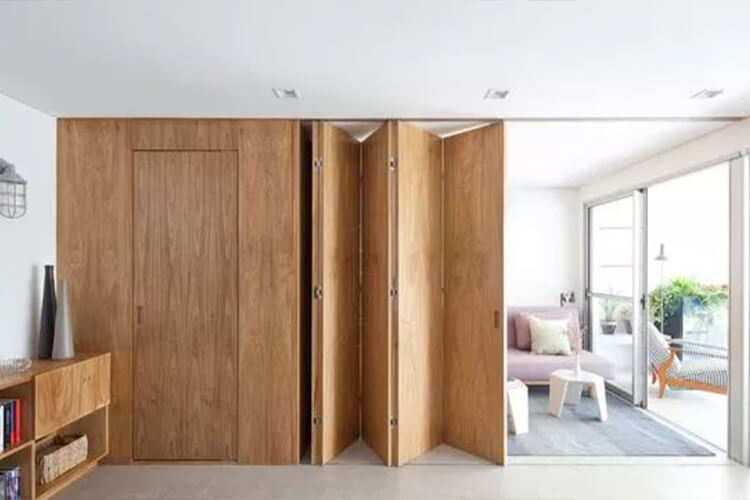
3. Folding Invisible Doors
- Pros: Relatively space-efficient (opens to one side).
- Cons: Tracks can accumulate dirt, less suitable for small spaces, often more expensive.
4. Revolving Invisible Doors
- Pros: Unique aesthetic appeal, can serve as a decorative feature.
- Cons: Requires considerable floor space, installation demands specific area, may not be the most secure option.
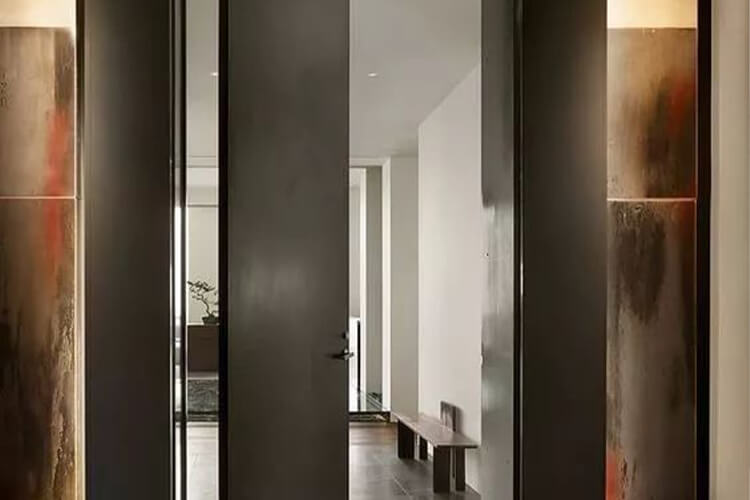
Invisible Door Design Ideas
Seamless integration is key to a successful invisible door installation. Consider these design approaches:
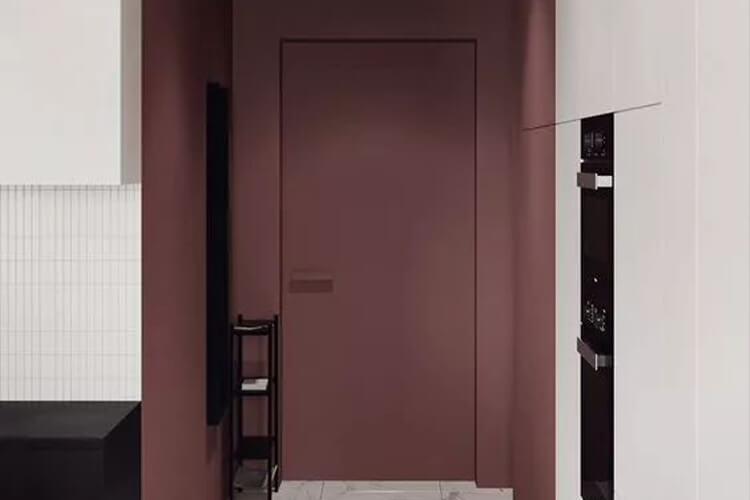
1. Wall Integration:
A simple yet effective method involves matching the door’s color and material to the wall. Subtle lines can further enhance the camouflage effect.
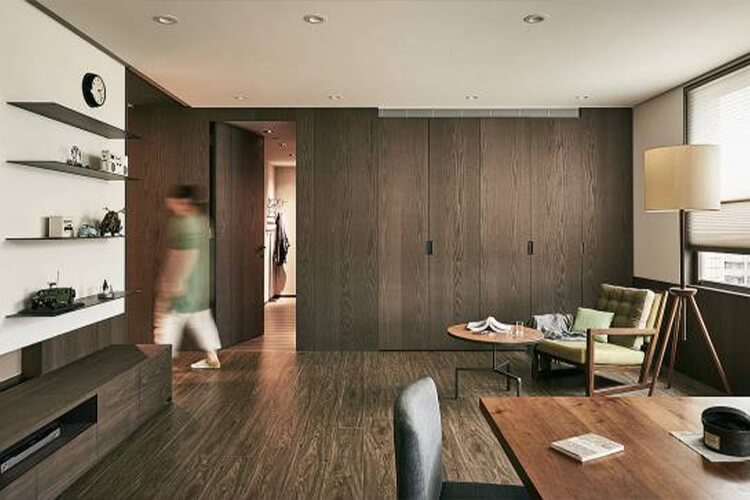
2. Cabinet Integration:
Integrating invisible doors into cabinets creates a strong hidden effect, perfect for wardrobes and storage spaces.
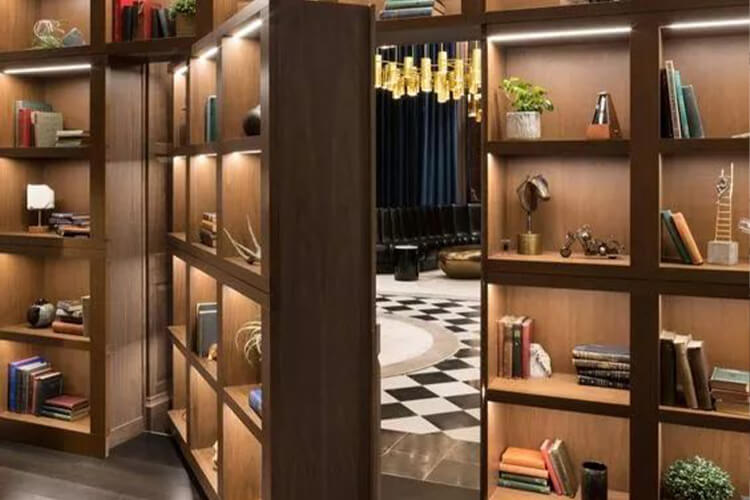
3. Bookshelf Integration:
Incorporating invisible doors into bookshelves offers a cohesive and stylish look. For study rooms, prioritize doors with good sound insulation for a quiet environment.