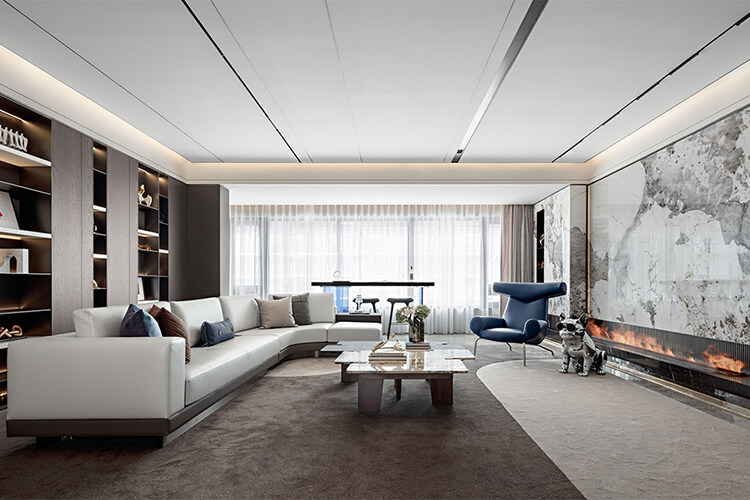
A Design-Minded Approach to Cabinet Storage Organization
Storage isn’t just about hiding clutter; it’s a user-centered design element considering habits, scale, needs, and movement patterns, aligning with individual lifestyles.
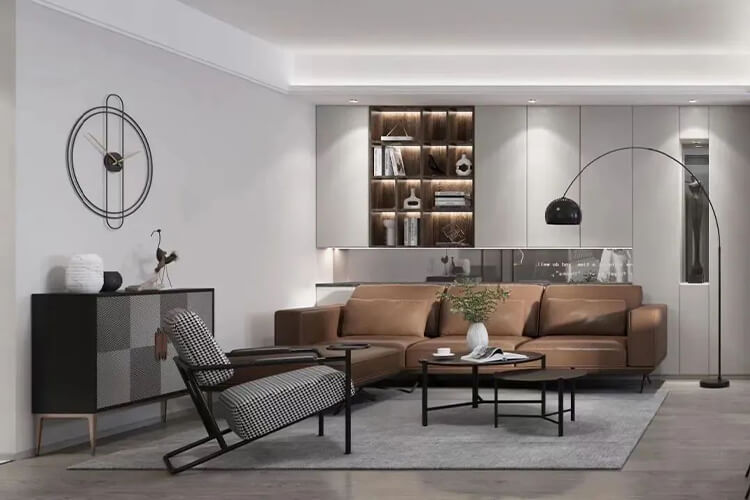
Balancing and Choosing Storage Solutions
Avoid the misconception that more or deeper cabinets are always better. Excessive cabinets can feel oppressive, while insufficient storage is impractical. Optimal cabinet design balances storage needs with the number of occupants and item usage frequency, determining the overall storage area and capacity.
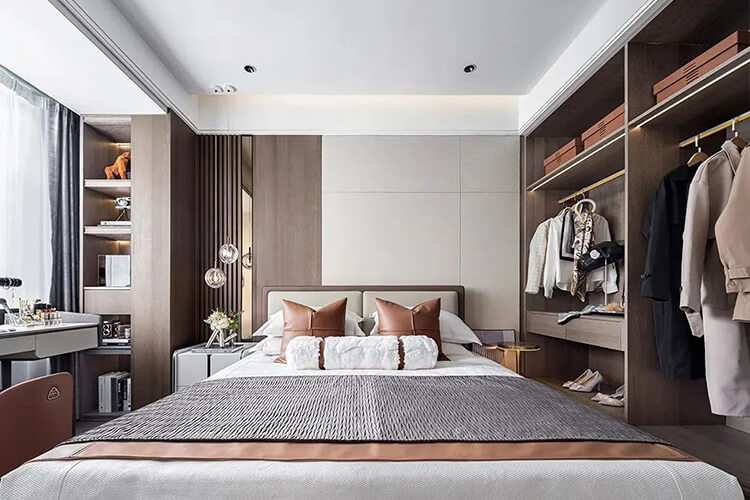
Integrating Storage with Movement Patterns
Storage solutions should adapt to the specific function of each space. Instead of solely focusing on space constraints, prioritize homeowners’ living patterns, daily habits, and item usage frequency. Design storage functionality along the natural movement flow within each space for personalized storage and maximized space utilization.
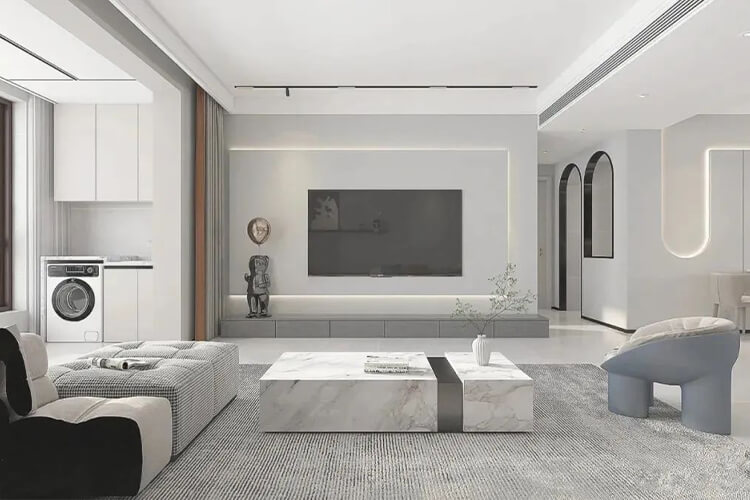
User-Centered Storage Design: Prioritizing Individual Needs
Personal habits, lifestyles, and preferences dictate individual storage needs. Effective storage is functional and personalized, adapting to user requirements. Crucially, storage dimensions should complement the user’s body dimensions for comfortable access.
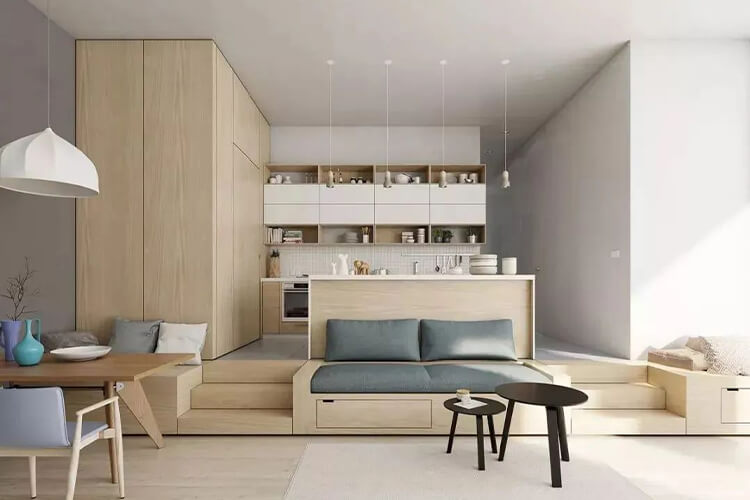
Storage Space Allocation: Overall and Local Layouts
Storage design considers both overall and local layouts. The overall layout plans storage areas within the entire floor plan. The local layout focuses on the arrangement within each storage area. Small homes should allocate 7-15% of space to storage, while larger homes may require 18-25%.
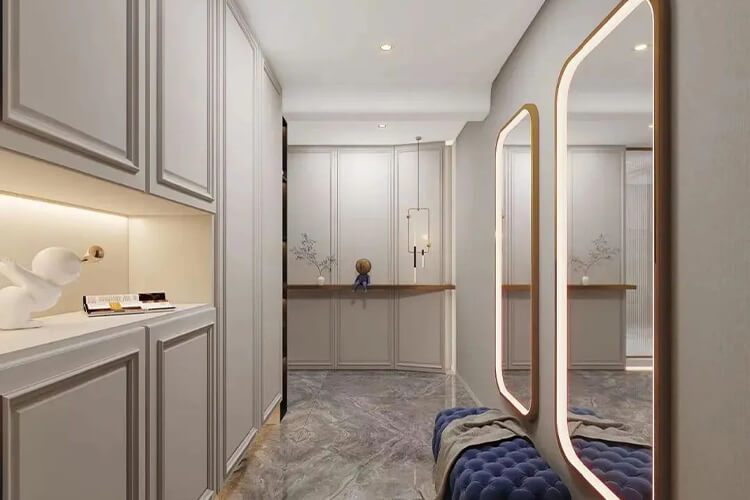
Types of Storage Layouts
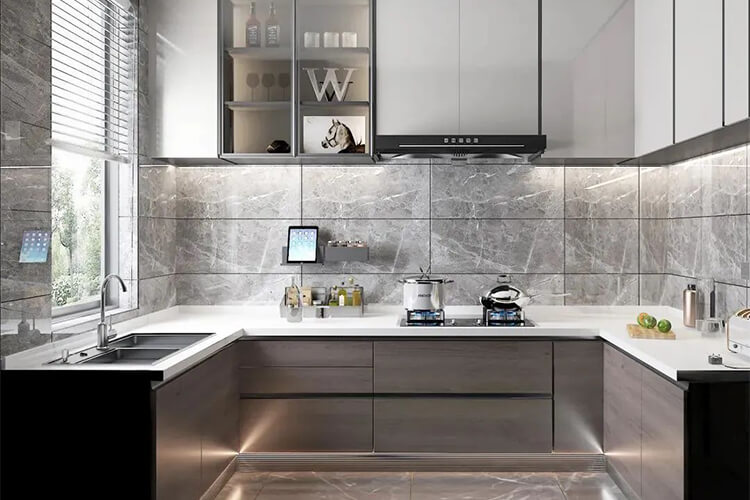
- Fragmented Storage: For frequently used items needing quick access (spices, remotes). Design should facilitate easy access and retrieval to prevent clutter.
- Temporary Storage: For temporary item placement (foyer cabinet for keys). Convenience and speed are key.
- Centralized Storage: For bulk storage (tableware, seasonal clothing) and infrequently used items. Maximizes space efficiency.
Standards for Efficient Storage Design
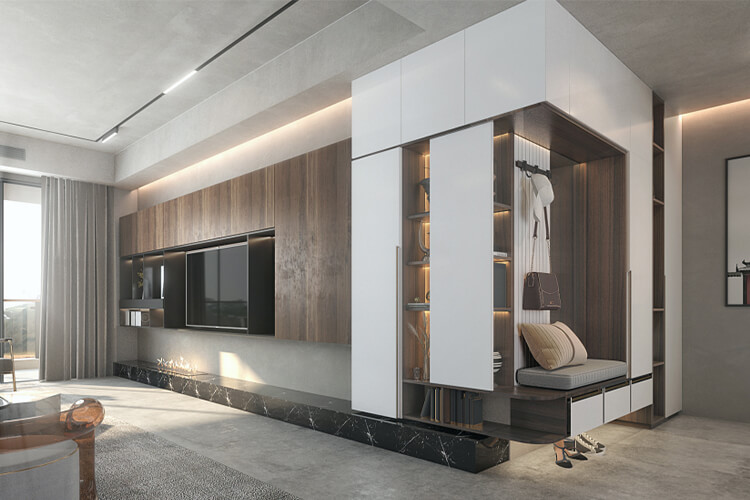
- Proximity and Accessibility: Place storage near where items are used, following the user’s movement patterns. This promotes organization and reduces clutter.
- The 80/20 Rule: Hide 80% of items (hidden storage) and display 20% (open storage) for a balanced aesthetic. This is especially relevant in living rooms, bedrooms, and studies.