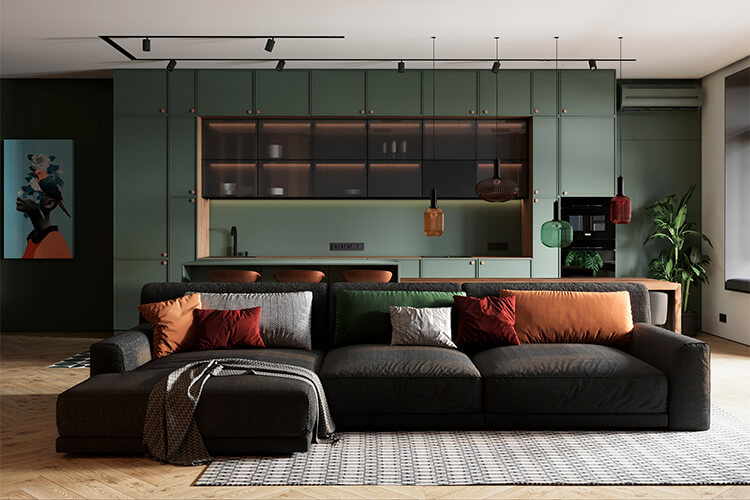
6 Essential Cabinet Design Elements for Modern Kitchens
Modern kitchen design prioritizes both functionality and aesthetics. The key to achieving this balance lies in thoughtful cabinet design. Here are six essential elements to consider:
1. Embrace the Sleekness of Invisible Handles
Minimalist design is key in contemporary kitchens. Invisible or integrated handles create a clean, streamlined aesthetic, maximizing the sense of space, especially in smaller kitchens. This design choice not only enhances the visual appeal but also improves practicality by eliminating the hassle of bulky handles and reducing grease buildup.
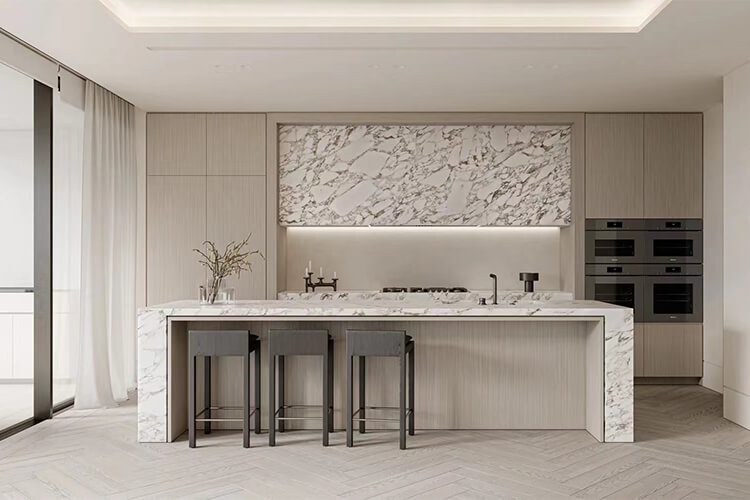
2. Achieve Seamless Cabinet Integration
Built-in appliances are a game-changer for modern kitchen design. Integrating ovens, dishwashers, coffee machines, and even spice racks into your cabinetry creates a cohesive, clutter-free look. This seamless integration enhances the overall feeling of calm and spaciousness.
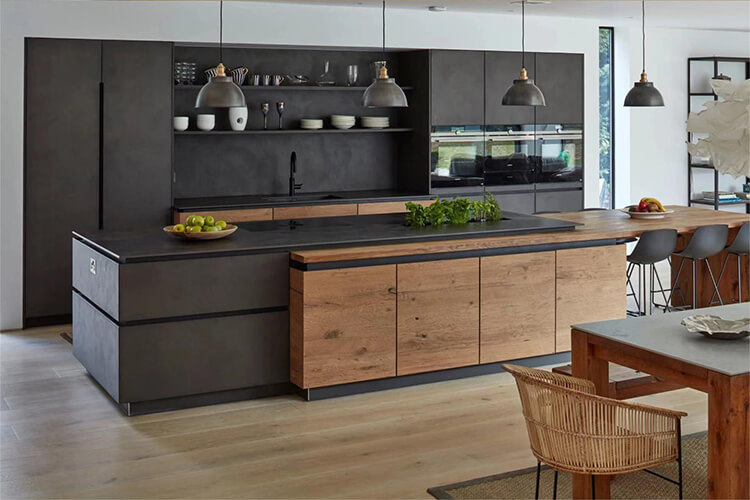
3. Elevate Your Kitchen with Layered Lighting
Strategic lighting is more than just functional; it’s a key design element. Layered lighting, combining pendant lights, under-cabinet LEDs, drawer lighting, and even toe-kick lighting, adds ambiance and highlights cabinet finishes. This creates a warm, inviting atmosphere.
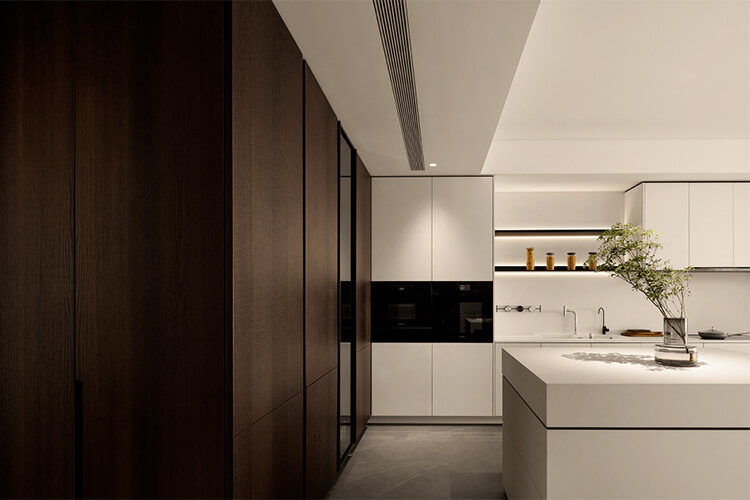
4. Balance Open Shelving with Deep Drawers
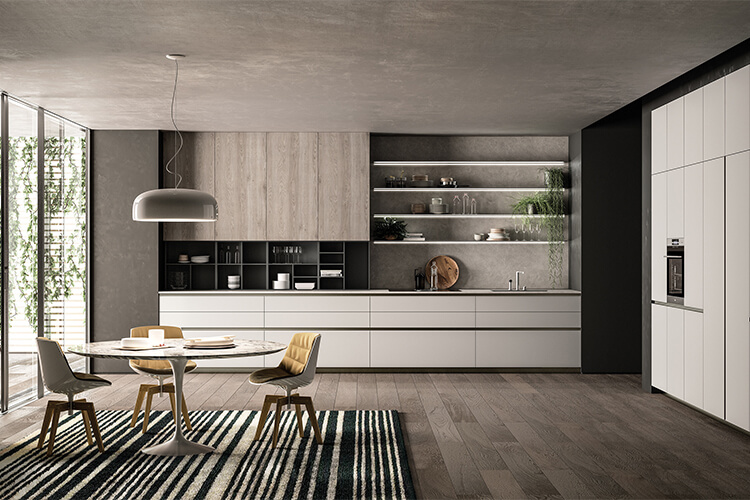
Open shelving provides a stylish and accessible way to display favorite items, adding a decorative element to your kitchen. However, for items needing to be kept out of sight, deep base drawers offer ample storage and easy organization, surpassing traditional cabinets in functionality and efficiency. Deep drawers help compensate for the reduced storage of upper cabinets.
5. Inject Personality with Bold Cabinet Colors
While neutral kitchens remain timeless, don’t shy away from bold color choices for a more expressive kitchen. Rich hues like forest green, navy blue, or terracotta add personality and create a designer feel. Even a subtle accent color can elevate the overall aesthetic.
6. Maximize Functionality with a Central Island
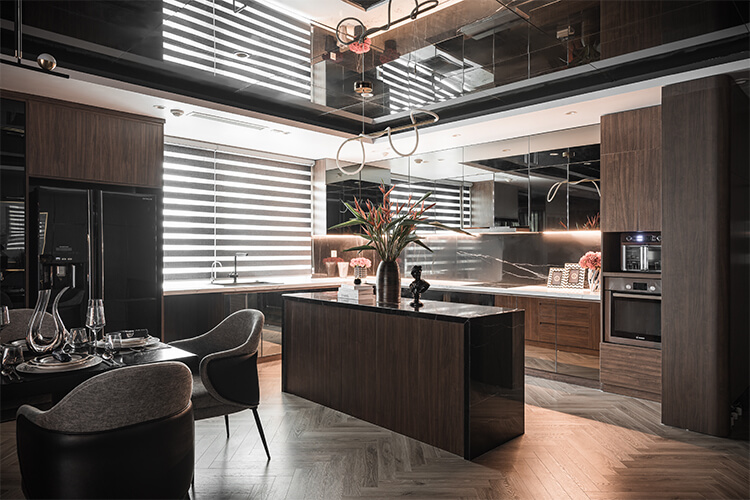
The kitchen island serves as a central hub, offering space for meal preparation, cooking, dining, and storage. When designed to complement the cabinetry with matching finishes and integrated storage, the island unifies the entire kitchen design, especially beneficial in open-plan layouts where it can softly define spaces.