Three Essential Principles for Optimizing Custom Home Cabinetry
Custom cabinetry has become a cornerstone of modern home design, offering both stylish storage solutions and an enhanced quality of life. However, poorly planned cabinets can lead to frustration and clutter. Effective cabinet design requires a blend of aesthetics and practicality. These three principles will guide you towards creating functional and visually appealing storage throughout your home.
1. Prioritize Proximity for Effortless Accessibility
Practicality is paramount in home design. Strategically placing cabinets maximizes convenience.
Consider these examples:
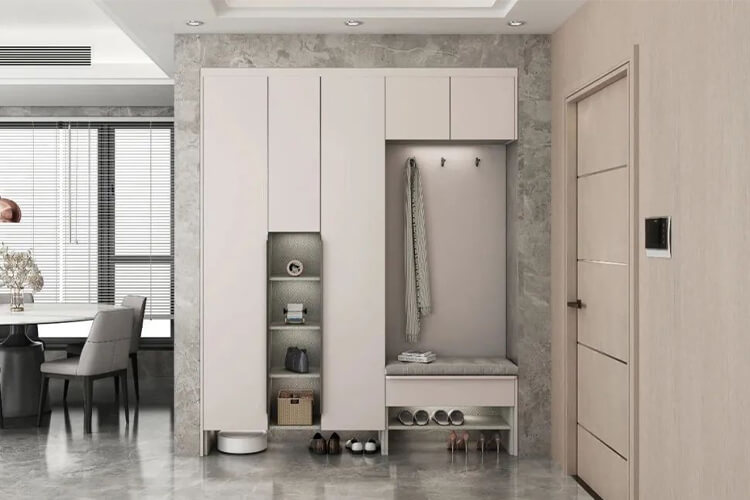
- Entryway: An entryway cabinet near the door provides immediate access to frequently used items. Incorporate hooks and open compartments to accommodate coats, bags, and keys.

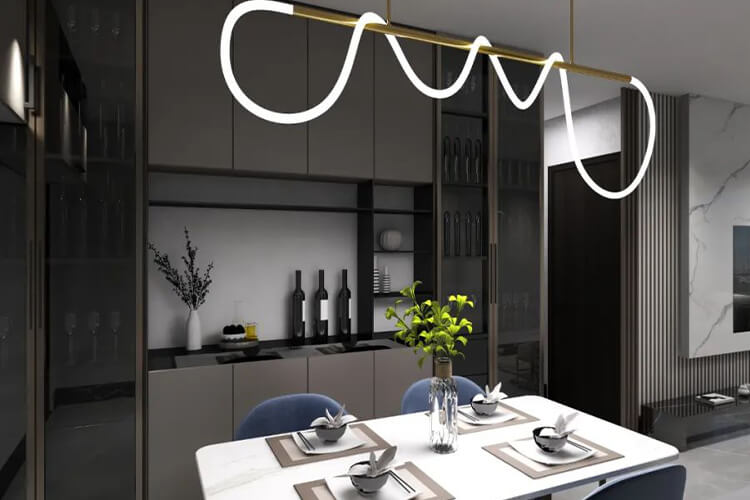
- Dining Area: A dining cabinet, even a small one, keeps napkins, serving utensils, and other essentials within arm’s reach of the dining table. This eliminates clutter and streamlines mealtimes.
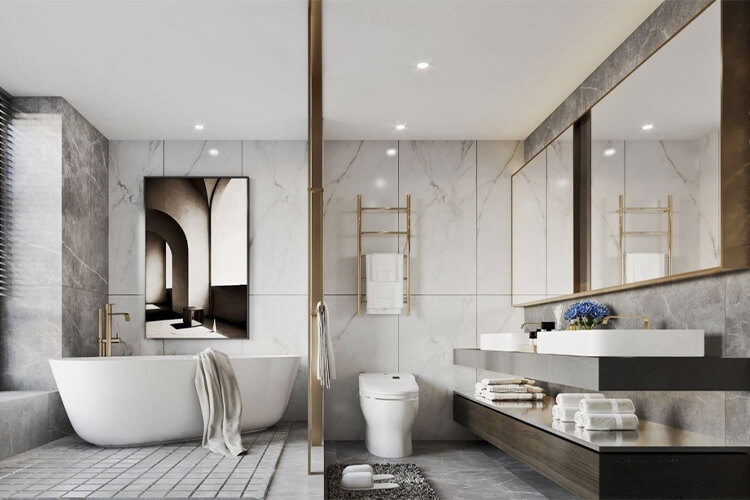
- Bathroom: A mirror cabinet with ample storage is crucial for bathroom organization, providing a dedicated space for toiletries and cosmetics.
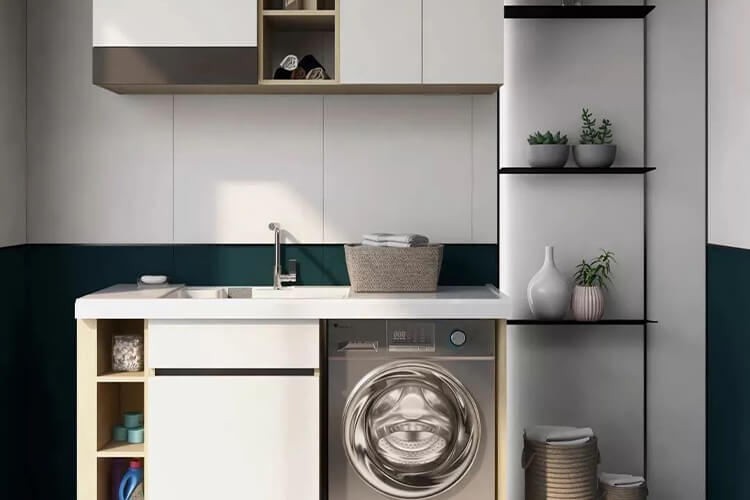
- Laundry Area: Utilize vertical space above the washing machine with dedicated cabinets for laundry supplies and cleaning products. This prevents unnecessary trips to the storage room.
 This prevents unnecessary trips to the storage room.
2. Employ the 80/20 Rule for Visual Harmony
The 80/20 rule advocates for concealing 80% of items while keeping 20% visible. This creates a clean aesthetic while ensuring easy access to frequently needed items.
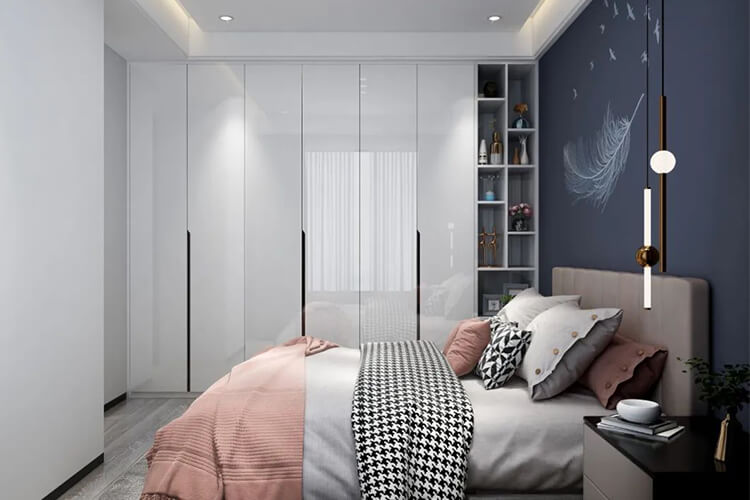
Hiding the majority of items minimizes visual clutter and reduces cleaning time. The visible 20% caters to daily needs and adds visual interest. This approach is especially beneficial for large cabinets and families with substantial storage needs.
3. Optimize Space Through Intelligent Design
Effective cabinet design maximizes space utilization rather than consuming it.
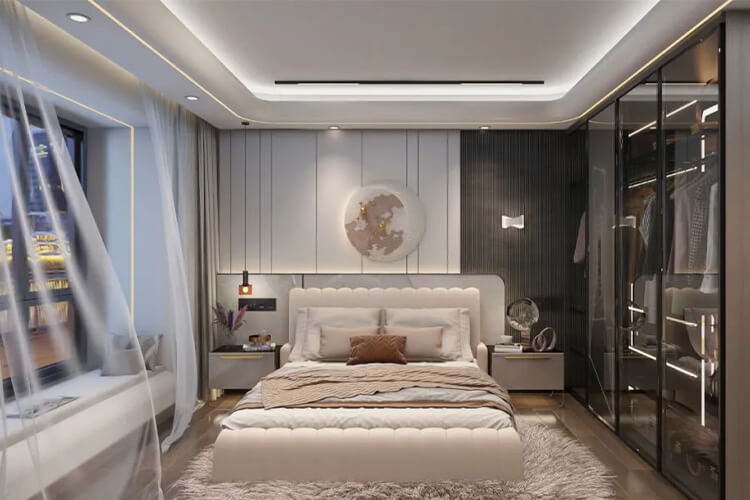
Consider these space-saving strategies:
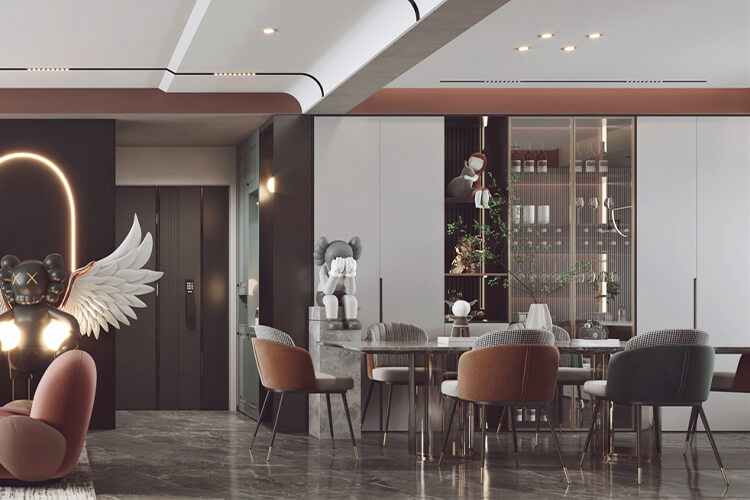
- Glass Doors: Cabinets with glass doors showcase attractive items while keeping contents dust-free.
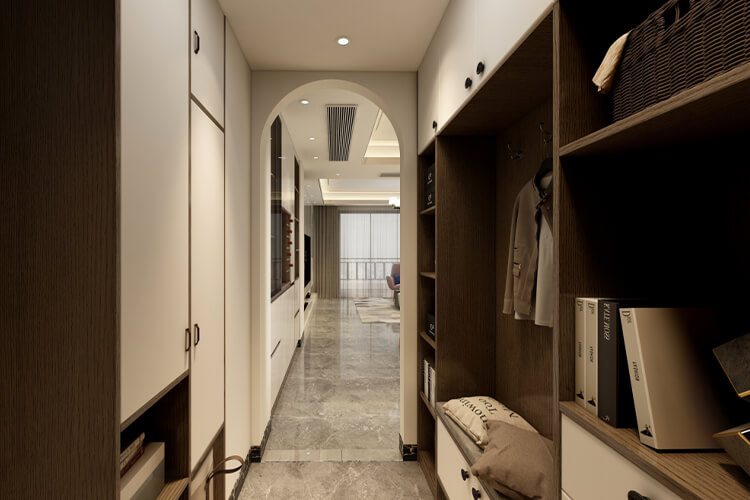
- Built-in Cabinets: Built-in units, especially in smaller homes, offer a streamlined look and conserve hallway space. However, professional design is crucial to avoid structural issues.
- Multi-functional Design: Combine functionalities, such as integrating an entryway cabinet with a dining room sideboard, to maximize space utilization.